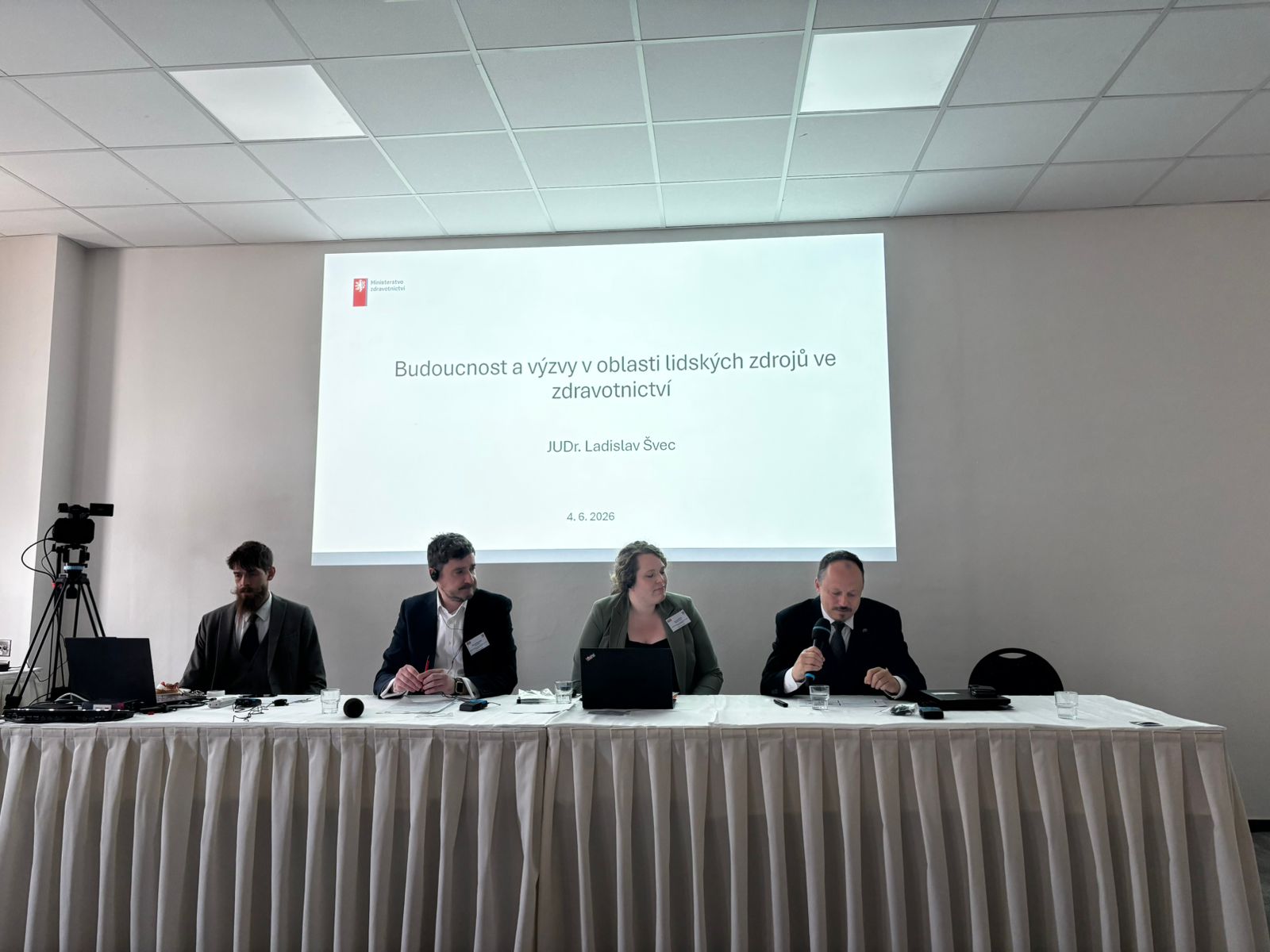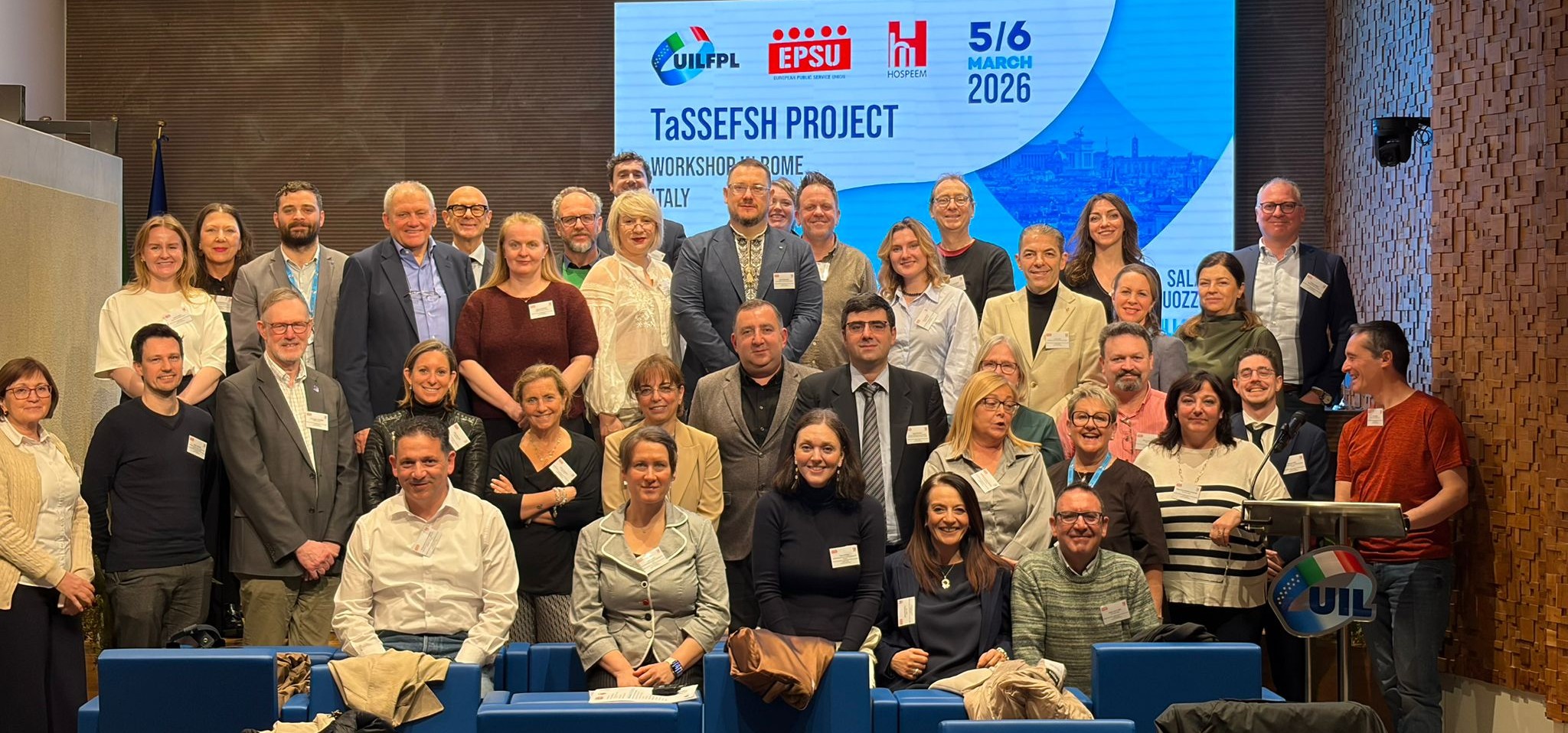
HOSPEEM and EPSU invites you to the third in-person workshop of the joint project on the topic of Digitalisation and Future-proofing Skills in Health in Rome, Italy.
5 – 6 March 2026
Rome, Italy (venue TBC)
The reimbursement for the flight and accommodation is available for the EU participants:
Please follow this link to calculate eligible travel costs
Maximum reimbursement for accommodation – 98 EUR/night (for up to 2 nights)
The interpretation will be provided for English, Italian and 3 languages to be determined by number of requests
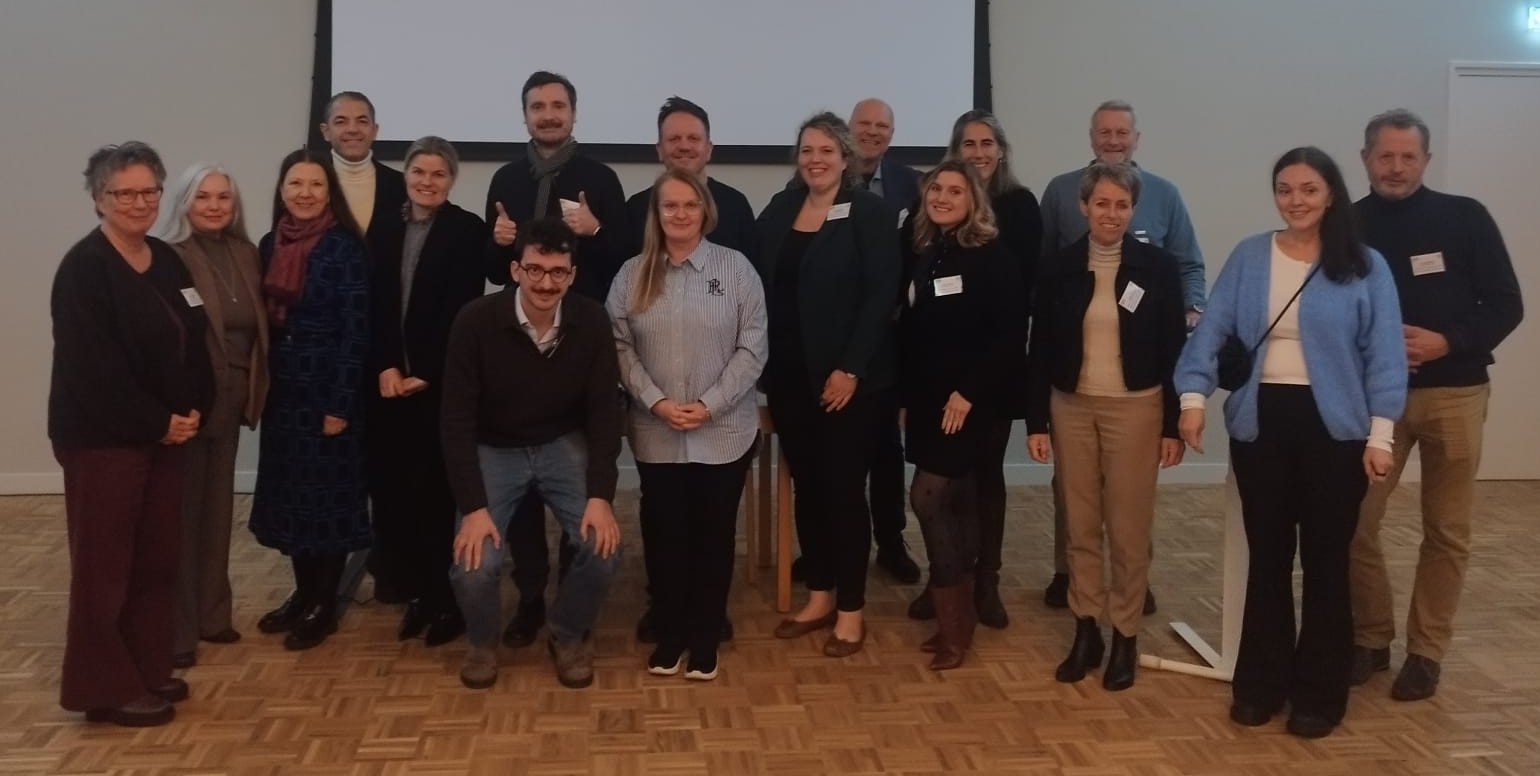
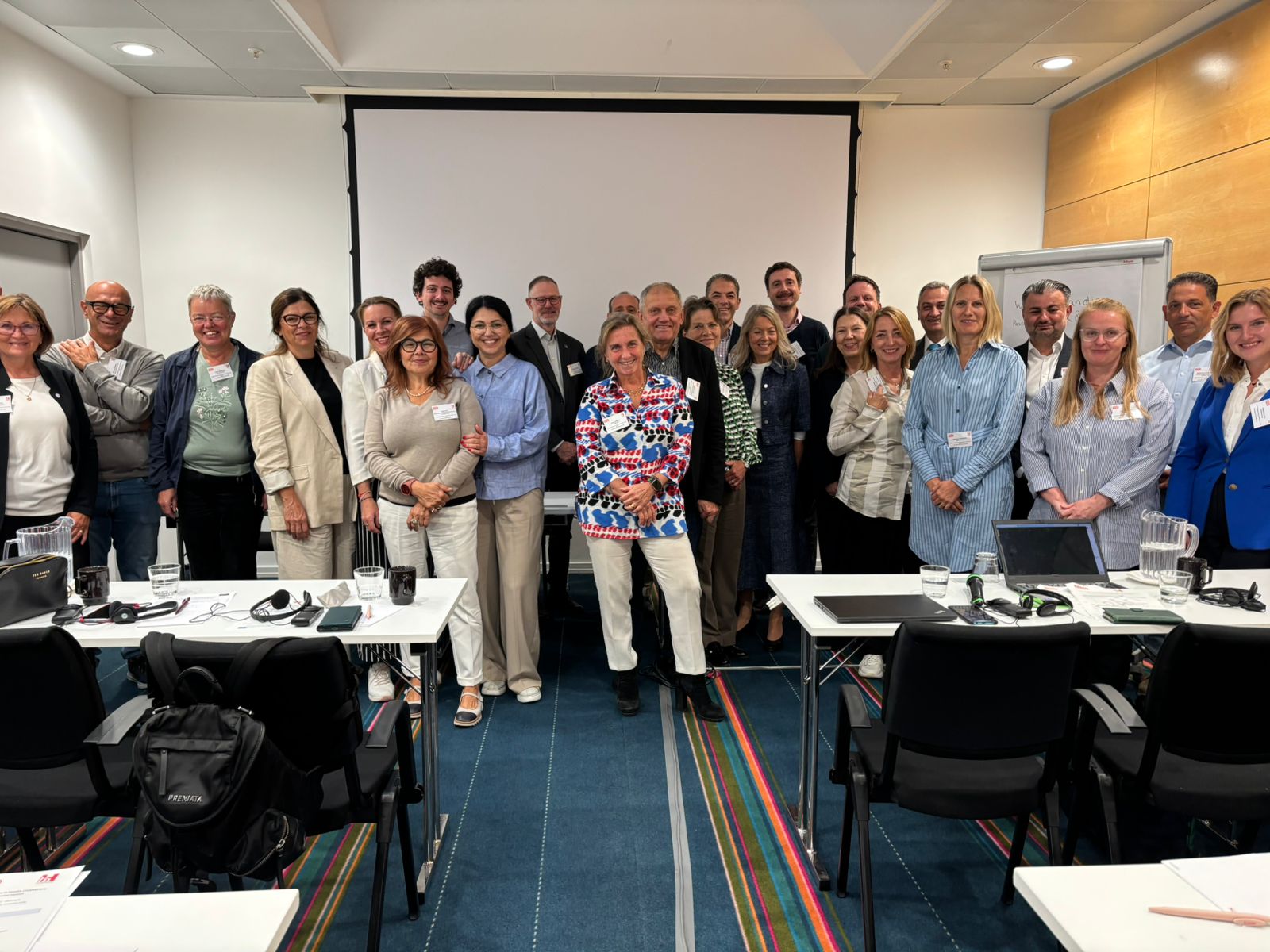
On 3–4 December, HOSPEEM and EPSU held the second workshop of their joint project, Tackling Staff Shortages and Ensuring Future-Proof Skills in Health, in Hilversum, the Netherlands. With strong support from the Nederlandse Vereniging van Ziekenhuizen (NVZ) and the Federatie Nederlandse Vakbeweging (FNV), representatives of employers and trade unions from across Europe met to exchange best practices on the involvement of temporary work agencies in the healthcare sector and on flexible working patterns in their countries. The workshop took place at Zonnenstraal, a historic former sanatorium in Hilversum.
Johan Siegert (FCB) and Niels Mooij (CAOP) delivered a presentation on the labour market for healthcare and Welfare – “AZW programma”, which was followed by the discussion. Marleen Vos opened the session on good practice presentations with the example from Groene Hart Ziekenhuis (GHZ), Gouda (the Netherlands), in which she explained the FIER programme with the activities of the internal flex agency of GHZ. André Renkema from NVZ delivered the presentation on the Care for the North initiative. Kevin Figgis from SIPTU, Ireland, presented an update on the state of temporary work agencies in the country.
On the second day, the workshop featured presentations on the state of play of the topic in Croatia by Maja Malic (HUP) and in Belgium by Myriam De Bruyn (Zorgnet-Icuro). Questions and comments from the participants followed the session.
This workshop was the second of five in the series. An external researcher will provide a summary of the findings.
The WHO Regional Committee for Europe has granted the regional accreditation status of non-state actor to HOSPEEM, the European Hospital and Healthcare Employers’ Association during its 75th session, held on 28-30 October in Copenhagen, Denmark.
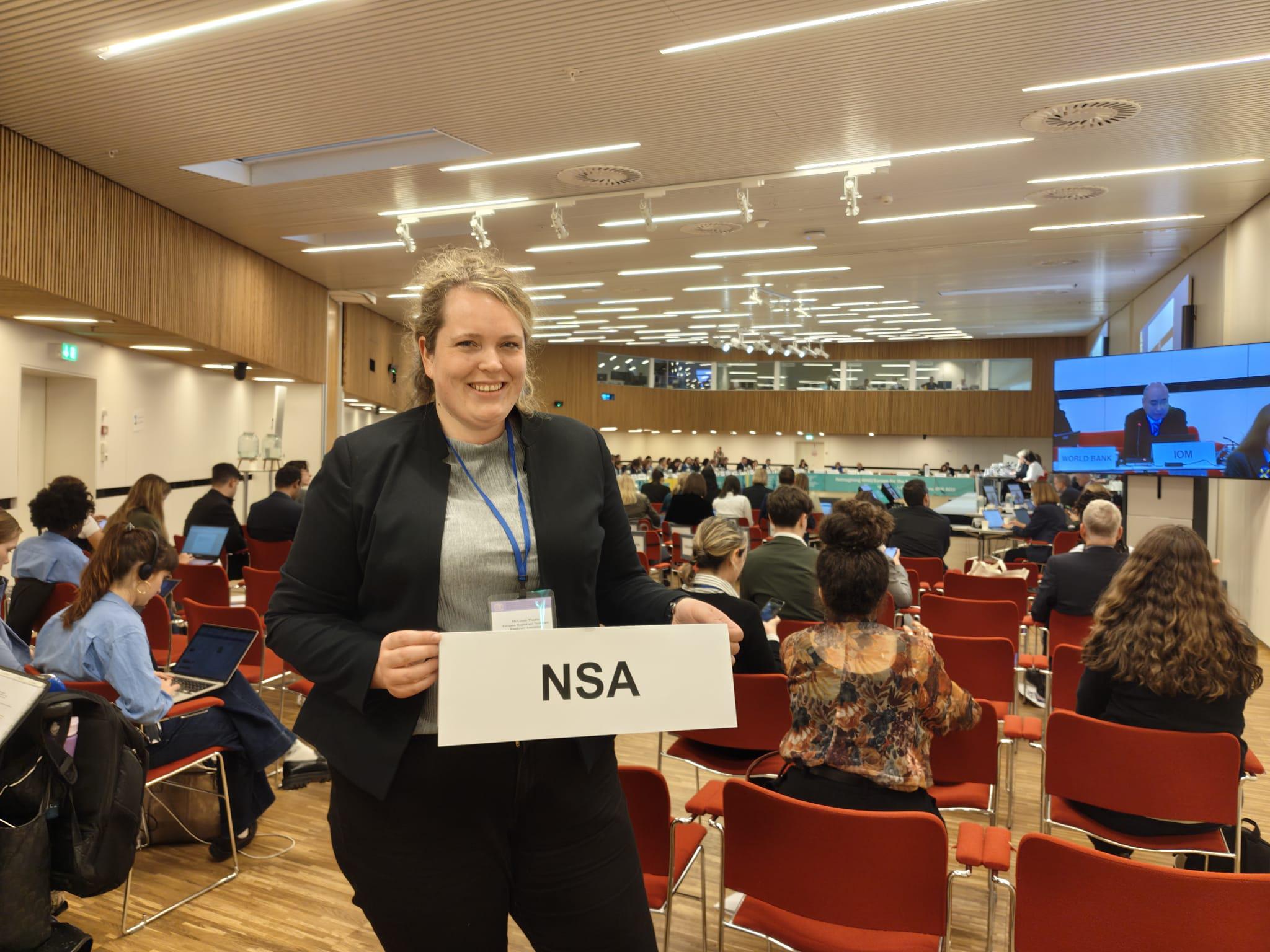
HOSPEEM Senior Policy Advisor Leonie Martin at the 75th session of the WHO Regional Committee for Europe, 28-30 October, Copenhagen, Denmark
WHO engages with non-State actors to strengthen global and regional health systems, including through participation in WHO meetings such as the Regional Committee for Europe, the highest decision-making body in the European Region.
Marta Branca, HOSPEEM Secretary General said:
HOSPEEM values the recognition of the role that social partners play in supporting the work of WHO Europe. Our organisation is keen to contribute to the collaborative efforts aimed at strengthening health systems across the European region. Gaining non-State Actor status enables us to further support WHO Europe in implementing its newly adopted Second European Work Programme and bring our perspective to the table.
WHO engages with non-State actors to strengthen global and regional health systems, including through participation in WHO meetings such as the Regional Committee for Europe, the highest decision-making body in the European Region.
HOSPEEM’s contributions to the work of WHO Europe will include:
Monitoring and advancing the Framework for Action on the health and care workforce in the WHO European Region 2023-2030;
Participating in WHO Europe learning cycles and sharing insights from the European Social Dialogue.
HOSPEEM looks forward to actively collaborating with WHO European Region and other stakeholders to promote resilient, inclusive, and sustainable health systems across the region.
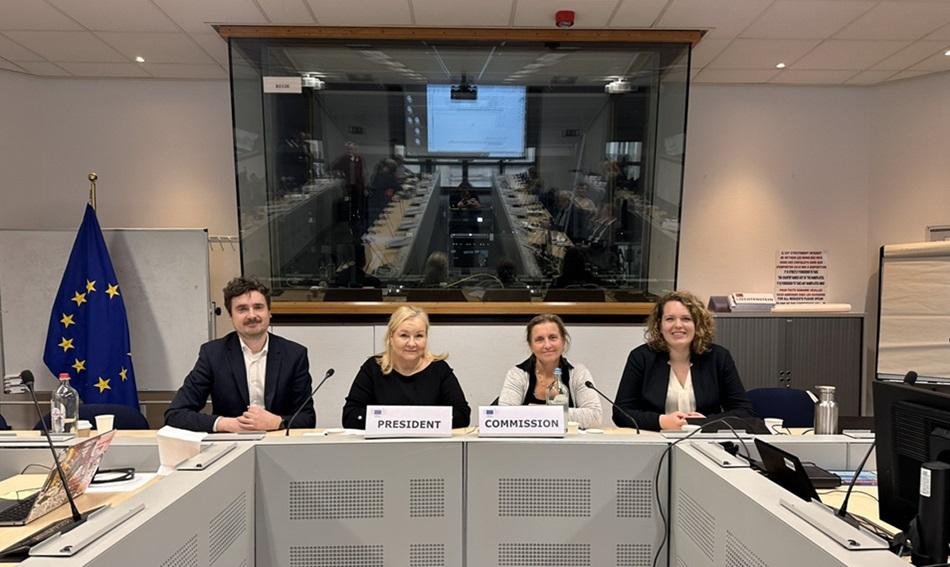
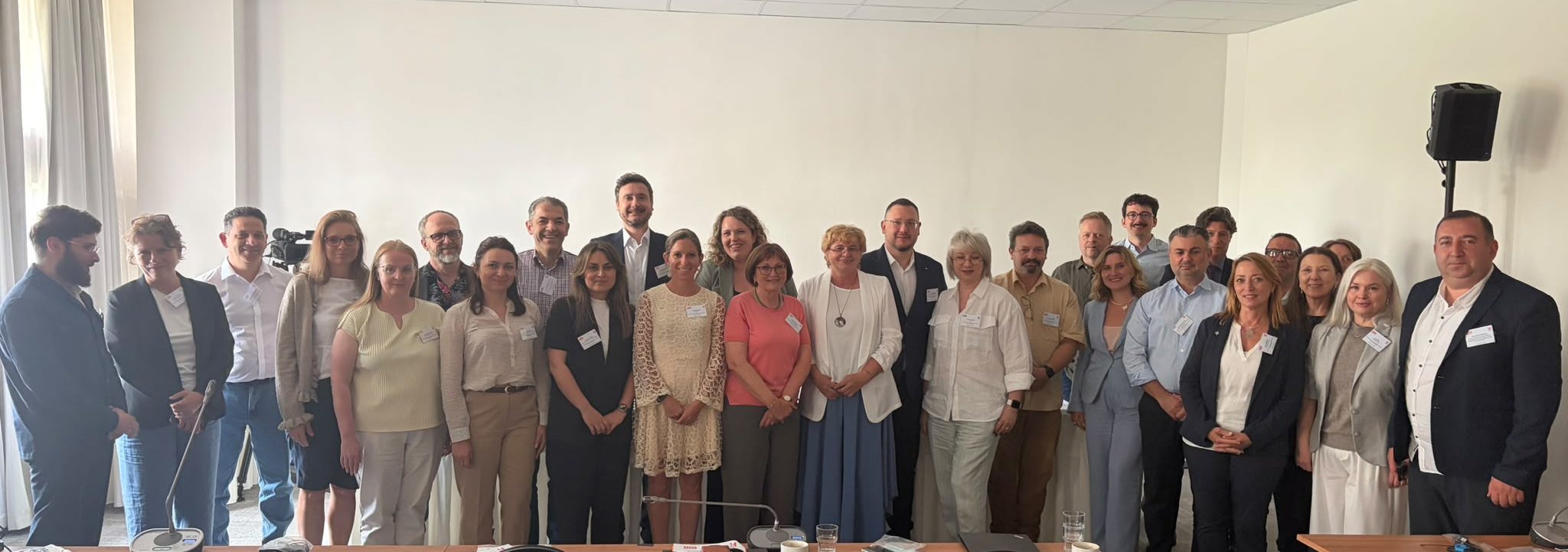
On 25–26 September, HOSPEEM and EPSU held the first workshop of their joint project, Tackling Staff Shortages and Ensuring Future-Proof Skills in Health, in Copenhagen. With strong support from Danske Regioner and Dansk Sygeplejeråd, they brought together representatives of employers and trade unions to exchange good practices on mental health and work–life balance.
The session was opened by representatives from the European Commission and WHO Europe. EU-OSHA also delivered a presentation to frame the discussion.
Anne Grethe Larsen, Director of Næstved, Slagelse and Ringsted Hospitals, presented a project on flexible working hours, which aims to create a sustainable working environment by introducing greater flexibility in work scheduling.
On the second day, the workshop featured a presentation of good practices on mental health from KT, the Finnish employers’ organisation.
This was followed by a presentation on the initiative “Kobling” – aimed at improving the psychological work environment and recognised with the Occupational Health and Safety Award in 2022 – by Sofie Jaspers, a researcher at the National Research Centre for the Working Environment. Afterwards, Daniel Rausner, Director of the Department of HR and Education in Region Hovedstaden, gave a presentation on onboarding practices.
This workshop was the first of five in the series. A summary of the findings will be provided by an external researcher.
HOSPEEM and EPSU invites you to the first in-person workshop of the joint project on the topic of Mental Health and Work-Life Balance in Copenhagen, Denmark
HOSPEEM, together with SGI Europe and HEAG, will organise the Finance4EPSR project workshop on 17 January 2025 in Brussels where the participants will discuss different aspects of sustainable finance. Online participation is possible.
The main meeting objectives are to deepen the knowledge about the practical impact of a social taxonomy into the business life of enterprises delivering services of general interest and to develop a methodology for guiding non-financial reporting to foster SGIs contributions towards the implementation of the EPSR.
Together with employers from central governments, local and regional governments, education and horeca sectors, HOSPEEM concluded negotiations with respective trade union counterparts to update the European Multi-sectoral Social Partners Guidelines to prevent and tackle third-party violence and harrassment related to work. Amongst others, the update introduces a gender-perspective to the topic and reflects the further digitalization that has occurred since 2010.
While the Social Dialogue Committee in the hospital and healthcare sector became the first to approve the content of the updated guidelines in November 2024, the text will be signed once all involved sectors have approved too.
On 11 October 2024, the European Commission’s DG REGIO hosted partners of the Harnessing Talent Platform, a knowledge-building and experience-sharing initiative aimed at fostering dialogue among relevant stakeholders at the European, national, and regional levels. Since the establishment of four working groups in autumn 2023, focusing on Digital, Health, Research & Innovation, and Territorial issues, eleven issue papers have been published. These papers identify the scope of the challenges and propose actionable outputs.
This meeting brought together representatives from all working groups to discuss key issues, short- and long-term outcomes, and potential synergies within the platform and with other EU initiatives, such as the Pact for Skills, the European Cluster Collaboration Platform, and the Rural Revitalisation Platform.
In his opening remarks, François Gallaga (DG REGIO) emphasised that the competitiveness of the European economy depends on its ability to address current and future skills gaps. Following parallel meetings of the working groups, participants identified cross-cutting issues, reflected on external synergies, and discussed the next steps to deliver outputs in line with the work plan.
HOSPEEM is part of the Health Working Group, which focuses on the subtopic of improving service models and working conditions.
On 10 October 2024, Olena Horlach represented HOSPEEM at a panel discussion organized by the European Committee of the Regions’ Interregional Group on Health and Well-being, the European CoR’s Commission for Natural Resources (NAT), and EUREGHA – the reference network for European Regional and Local Health Authorities on the topic of “Strengthening Europe’s Healthcare Workforce: Attracting and retaining talent in a regional context” as part of the European Week of Regions.
Staff shortages, working conditions, and skills mismatches are having a significant impact on access to care and performance of healthcare system. Attracting and retaining talent across Europe’s regions is a key strategy to address this issue. This interactive session explored the difficulties and potential solutions for strengthening Europe’s healthcare workforce and increasing the sector’s attractiveness, in line with existing EU initiatives such as the Harnessing Talent Platform and the Pact for Skills.
HOSPEEM acknowledged that the main challenges include ageing population, work migration and working conditions amongst others. The EPSU-HOSPEEM Updated Framework of Action on Recruitment and Retention examines various remedies to these issues, while considering the 24/7 operational nature of the healthcare sector. Meanwhile, the EPSU-HOSPEEM Code of Conduct on Ethical Recruitment and Retention enables social partners in the hospital and healthcare sector address inequalities and promote ethical recruitment practices at European, national, regional and local level.
Recent Comments