Joint HOSPEEM–EPSU visit with DG EMPL Director-General Mario Nava to UZ Leuven Gasthuisberg

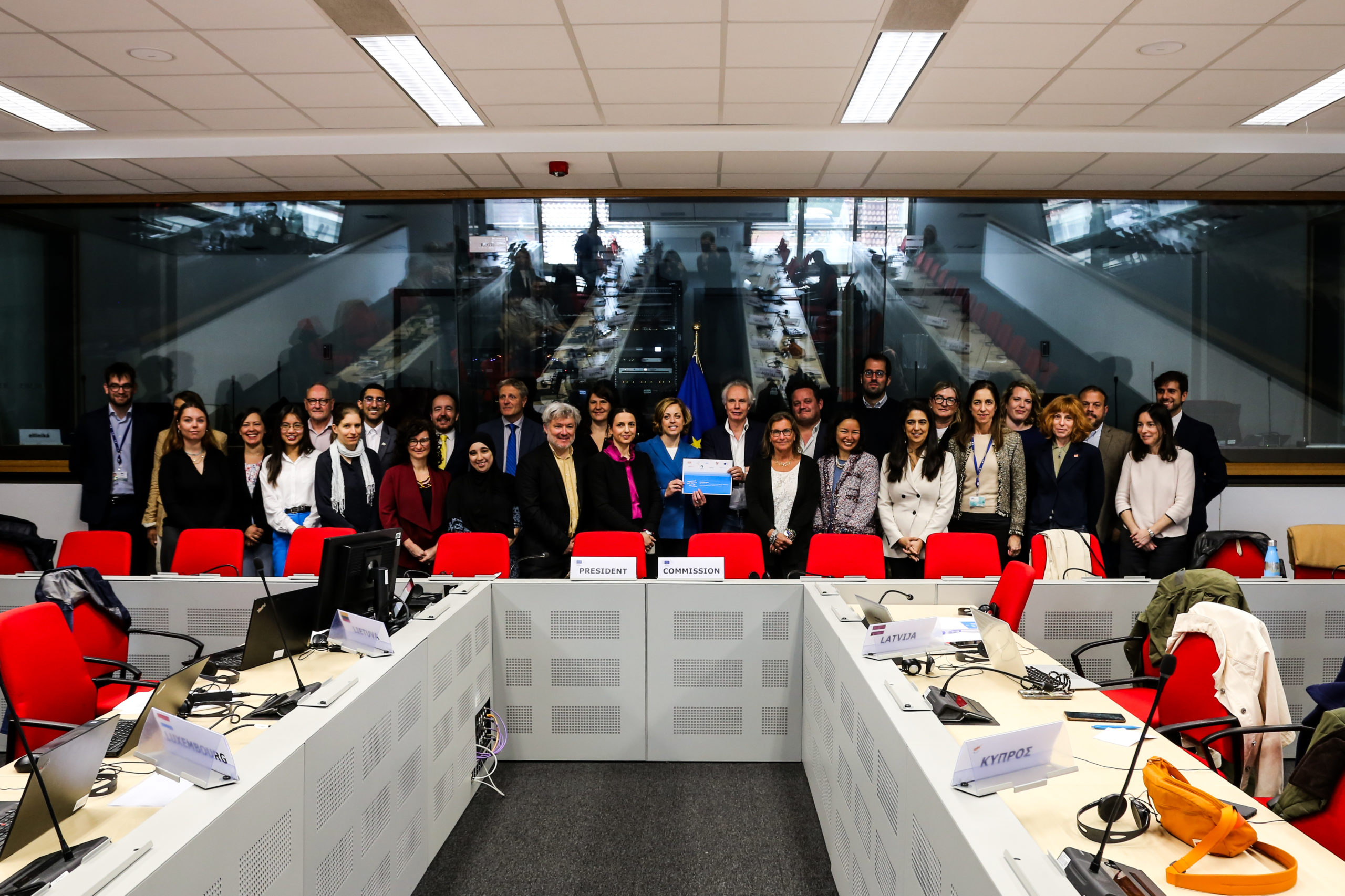
On 27 May, the Director-General of the European Commission’s Directorate-General for Employment, Social Affairs and Inclusion (DG EMPL), Mario Nava, visited the university hospital UZ Leuven Gasthuisberg. The visit was facilitated by the European Hospital and Healthcare Employers’ Association (HOSPEEM) and the European Public Service Union (EPSU) in the context of the European sectoral social dialogue in the hospital and healthcare sector.

The programme was organised by UZ Leuven Gasthuisberg, whose teams ensured a comprehensive and insightful visit. HOSPEEM and EPSU would like to express their appreciation to Gasthuisberg, its management, and the HR and communication teams for the excellent preparation and warm welcome, as well as to Zorgnet-Icuro, and to the local trade union representatives from ACV-CSC and BBTK-ABVV, for their contribution to the programme and exchanges.

The visit brought together representatives of the European Commission, social partners and UZ Leuven/KU Leuven for an exchange on the future of healthcare systems and healthcare work.

Discussions focused on social dialogue at hospital level, approaches to addressing labour shortages through recruitment, retention and working conditions, as well as skills development and training as key enablers for sustainable healthcare systems.

Participants also visited key clinical and training areas, including robotic cardiac surgery, the neonatal intensive care unit, and the STEPS skills centre, highlighting how innovation, advanced care delivery and structured skills training are integrated in daily hospital practice.
The visit provided an opportunity for social partners to engage with DG EMPL on shared priorities for the sector, including workforce sustainability, quality jobs, skills portability and the organisation of resilient healthcare services in a context of growing demand across the European Union.

The discussions underlined the importance of continued dialogue between European institutions, social partners and healthcare providers to support strong, resilient and well-functioning healthcare systems across the European Union.
HOSPEEM and EPSU host EU workshop in Prague on healthcare workforce challenges

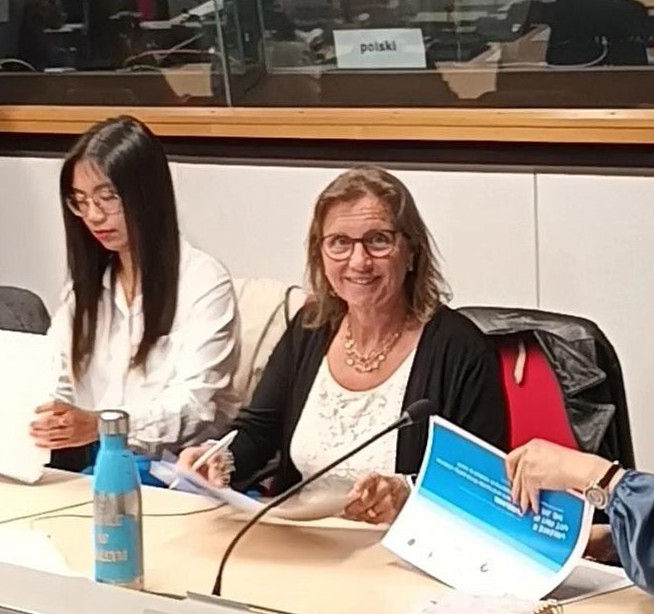
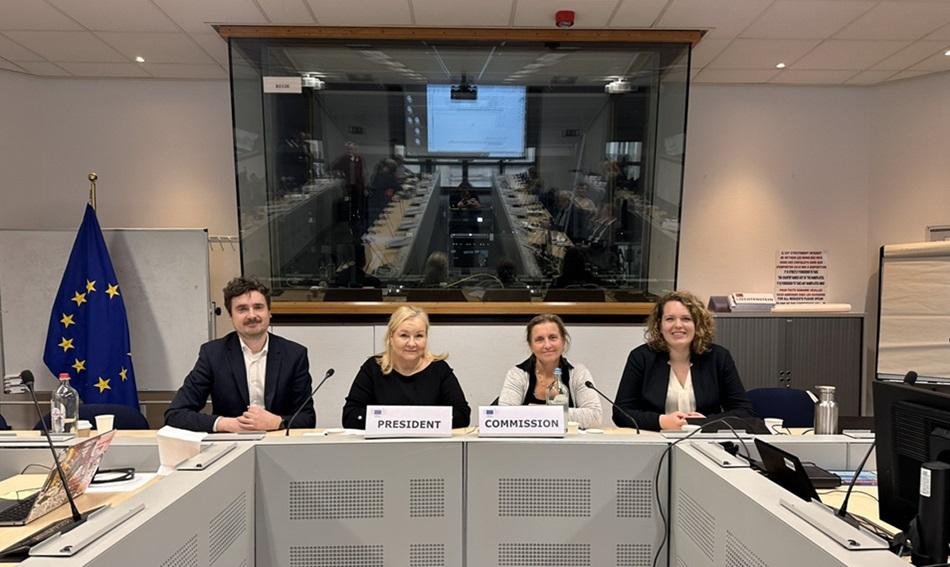
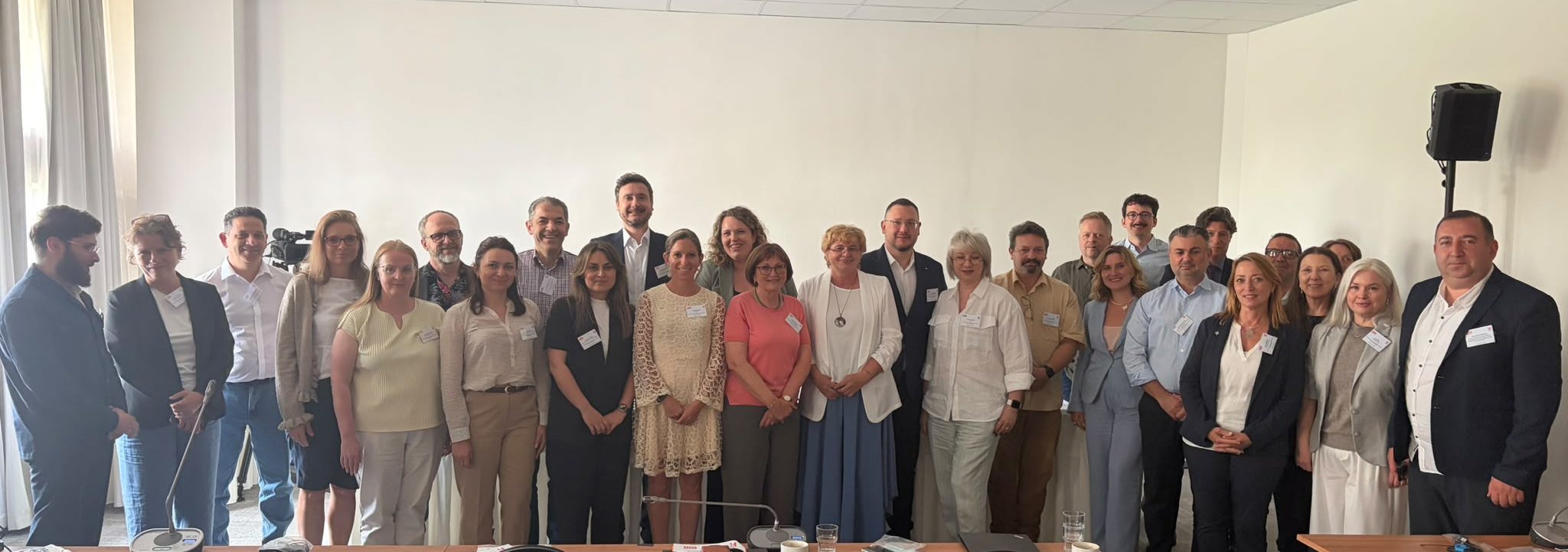
EPSU and HOSPEEM brought together healthcare trade unions, employers, policymakers and experts in Prague on 4-5 June 2026 for the fourth workshop of the EU-funded project “Tackling Staff Shortages and Ensuring Future-proofing Skills in Health”. The workshop focused on the ageing healthcare workforce and intra-EU mobility.

Participants discussed key challenges facing Europe’s health systems, including ongoing staff shortages, demographic change, evolving skills needs, and the retention of healthcare professionals. The exchanges highlighted a range of experiences and good practices from across Europe, with a focus on strengthening workforce planning, resilience and the sustainability of healthcare services.

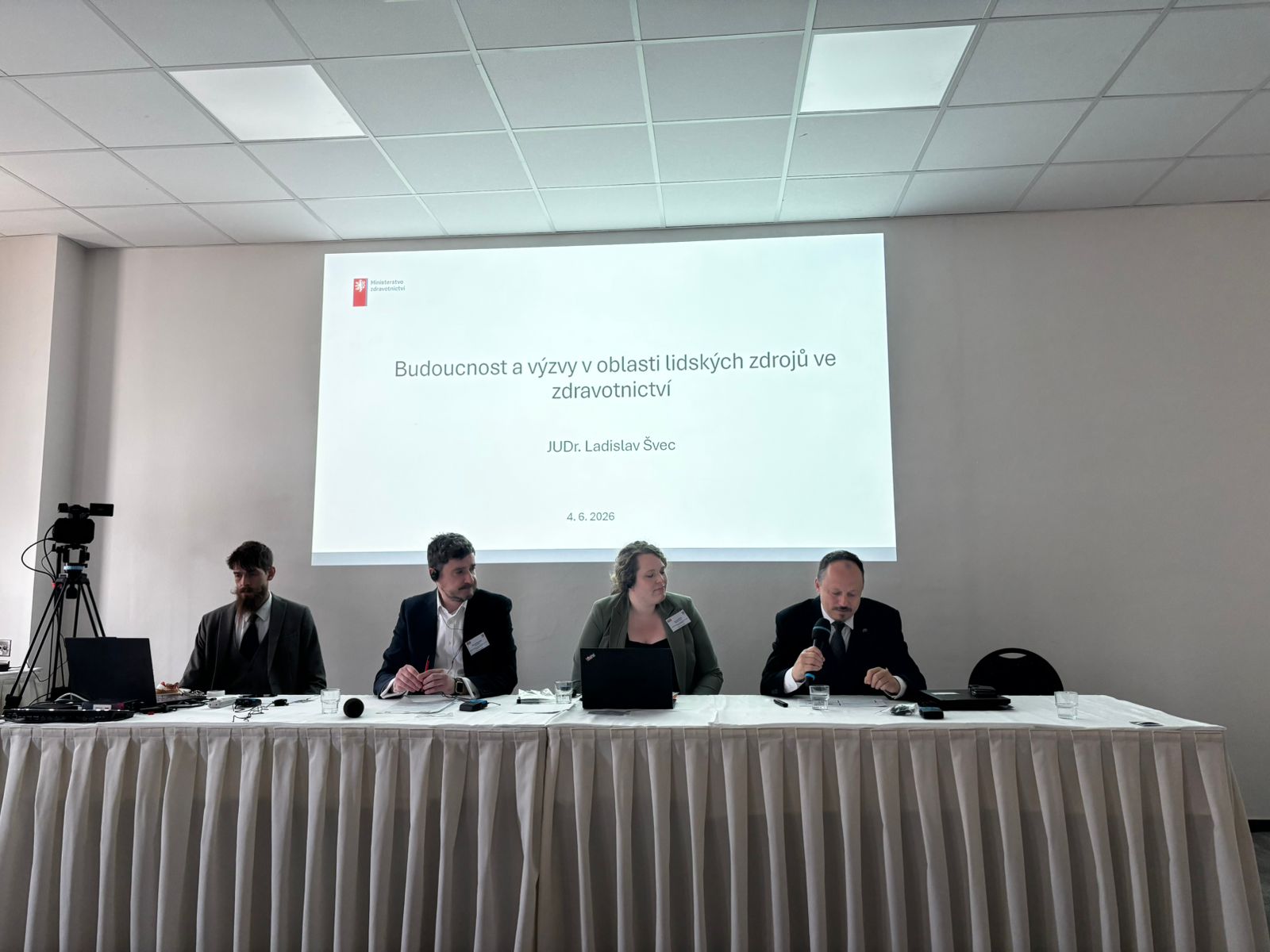
The programme included high-level contributions from Adam Vojtěch, Minister of Health, and Dr Ladislav Švec, First Deputy Minister of Health of the Czech Republic, who addressed the future challenges of human resources in healthcare. Ms Yana Andersen from the WHO Regional Office for Europe (Health Workforce and Service Delivery) and Ms Maren Hopfe from the International Labour Organization (ILO), Labour Governance and Sectoral Policies Department presented the state of play on the ageing of the healthcare workforce and the report on Health workforce migration in the WHO European Region.

Presentation by Dr. Ladislav Švec, First Deputy Minister of Health of the Czech Republic

The workshop also brought together representatives from social partner organisations and stakeholders from amongst others Sweden, Finland, Romania, Ukraine and the Czech Republic, who shared national and sectoral perspectives on workforce developments and policy responses.

EPSU and HOSPEEM would like to thank the Confederation of Employers’ and Entrepreneurs’ Associations of the Czech Republic (UZS-CR) and the Trade Union of Health and Social Care Workers of the Czech Republic (OSZSP CR) for their hosting and support in organising the workshop.

Press Release: “Violence is not part of the job!”

Five sectoral social dialogue committees adopt revised guidelines to prevent and tackle third party violence and harassment (TPVH) at the workplace

Brussels 6 May 2025

The European sectoral social partners for Local and Regional Governments, Hospitals and healthcare, Education, Hotels, restaurants and cafés (Hospitality), and Central Governments adopted the updated European Multi-sectoral Guidelines to Prevent and Tackle Third-Party Violence and Harassment Related to Work. This follows a six-month round of negotiations last year with the financial support of the European Commission.

This significant achievement demonstrates the unwavering commitment of the involved social partners to ensuring safe, inclusive, and respectful workplaces across Europe and providing evidence-based guidance to their members including health and safety representatives at work.

The revised Guidelines draw upon ILO Violence and Harassment Convention (No.190), existing policies, and collective agreements at national level to address pressing challenges in light of increased episodes of third-party violence and harassment at work following the COVID-19 pandemic and a changing world of work.

They offer to the trade unions and employers:

· Key elements for a TPVH policy devised by management and workers’ representatives and trade unions, anchored in social dialogue, occupational safety and health, gender equality and non-discrimination with an intersectional approach.

· Practical tools and measures for health risk assessments – for example psychosocial risks and staffing levels-, prevention, and responses, such as social dialogue, awareness raising, training and clear reporting and complaint procedures.

· Definitions and principles on fostering a culture of respect and zero tolerance to violence and harassment including by learning from previous incidents and cooperating with relevant public authorities.

· Remedies to support victims and hold perpetrators accountable, including support and transparent investigations.

· A joint TPVH website with practical examples of policies and collective agreements

Following the adoption, the signatories will disseminate and promote the implementation of the guidelines among their members at the national level including in future collective agreements.

On behalf of the employers’ delegation:

“By concluding these updated guidelines, employers reaffirm their commitment to fostering workplaces where safety and respect are at the core, ensuring that both workers and the services delivered to citizens are protected”, said Fabrizio Rossi, CEMR Secretary General.

On behalf of the trade unions’ delegation:

“Workers should never fear going to work. Violence, including gender-based violence, should never be normalised and deemed part of any job. By underlining that every workplace should have a TPVH policy and, importantly, be sufficiently staffed and resourced to do the job, the Guidelines will contribute to eradicating what has become a major safety and health risk”, said Jan Willem Goudriaan, EPSU General Secretary.


In her speech, Marta Branca, HOSPEEM Secretary General says:

“Updating the guidelines on preventing third-party violence and harassment, reflecting how technology has progressed since the first guidelines as well as introducing a gender-responsive approach, is an important moment for us as social partners in the hospital and healthcare sector. It reflects our shared commitment with trade unions to create safe and supportive working environments .”


For more information, please contact:

CEMR: hamza.bennis@ccre-cemr.org

EPSU: nsalson@epsu.org

HOSPEEM: l.martin@hospeem.eu

CESI: migliori@cesi.org

HOTREC: marta.machado@hotrec.eu

ETUCE: martina.diridolfo@csee-etuce.org

EFEE: monika.hoangthe@educationemployers.eu

EFFAT: v.demoucron@effat.org

EUPAE: carlos.moreno@digital.gob.es


The updated guidelines can be found here (EN)

HOSPEEM-EPSU Joint Project on Tackling Staff Shortages and Ensuring Future-Proofing Skills in Health

Start Date: 01 April 2025

Duration: 24 Months

Description of the project:

Tackling Staff Shortages and Ensuring Future-Proofing Skills in Health (TaSSEFSH) is a joint project between the European Federation of Public Service Unions (EPSU) and the European Hospital and Healthcare Employers’ Association (HOSPEEM), representing at European level national employers’ organisations in the hospital and healthcare sector.

The aim is to collect and exchange good practices from social partners across Europe that address the massive challenges posed by increasing staff shortages that most health providers face. They are finding it difficult to recruit new staff and to retain skilled and experienced workers. The demographic trends in most countries are driving increased demand at the same time as large cohort of health workers come up for retirement.  Understanding the different dynamics and consequences of labour shortages and future-proofing skills in the hospital and healthcare sector at play matters across Europe to deliver quality care, now and in the next decennia.  The evolving landscape of the healthcare sector requires support for skills, training and education.

Through a series of six meetings involving trade unions and employers from across Europe the project will explore the various factors behind labour and skills shortages and exchange good practices. An external consultant will be contracted to follow the project, report on all the meetings and draft a final briefing that will summarise the key debates and focus on the potential solutions.

The discussions and debates will cover:

  • Ageing of the healthcare workforce: In 11 countries of the European region, a significant demographic shift is imminent as at least 40% of doctors are aged over 55 and are expected to retire in the coming decade. The European Commission Ageing Report 2021 highlights Italy as having the highest participation rate among older population in 2019 with one of the highest percentages of health workers aged 50 and above at 42%, compared to the European average of 36%. The meeting will debate how to attract and retain experienced healthcare workforce while fostering the recruitment of young healthcare professionals. It will include case studies provided by EPSU and HOSPEEM member organisations.
  • Intra-EU mobility and migration: The free movement of labour stands as an achievement of the European Union, aligning with the principles of the European Pillar of Social Rights promoting labour mobility across borders. While some countries experience a negative impact from labour migration, others benefit from the enhanced workforce mobility and cross-border collaboration. Factors such as social benefits, level of pay, working conditions, skills development can play pivotal roles in shaping the healthcare workforce landscape. Additionally, language proficiency serves as a compelling incentive, as evidenced by countries like Ireland leveraging language requirements to attract healthcare professionals. Despite investing in training their health workforce, some countries, especially in Eastern and Central Europe experience staff shortages due to healthcare workers deciding to move to another country. EPSU and HOSPEEM agreed on guidelines for ethical cross-border recruitment in 2008 and this project will contribute to the renewal of the commitment of social partners to promote, guarantee and defend decent recruitment and working conditions for workers from and outside the EU. The workshop will explore what can be done to inspire workers to stay in their country of origin and to support migrant workers and intra- EU mobile workers in receiving countries.
  • Temporary work agencies: In order to deal with staff shortages EU policymakers need to consider the role of a diverse workforce, including private employment agencies that have placed 12.4 million people in labour markets in Europe (11.2 million participated through temporary agency work which had implications for the labour market). Many EU Member States find themselves compelled to use the services of temporary work agencies and thus often compensate for the staff shortages in hospitals. Although temporary work agencies can improve the situation with limited work capacity of healthcare professionals, some countries are experiencing a situation in which companies are exploiting the scarcity of healthcare profiles to establish profitable businesses. For instance, temporary staffing companies actively recruit nurses who are currently employed on permanent contracts, offering them additional benefits on top of their current salary, and allowing them to demand more regarding their schedules. This leads to unequal salary and working conditions between permanent and temporary staff in the workplace. The workshop will consider how the health care sector can become more resilient and make relations with the temporary work agencies more balanced again and what alternatives can be provided by the health sector.
  • Digitalisation: During the pandemic digitalisation helped reduce exposure to the virus and ease administrative burdens. The Social Partners underline that digitalisation will never replace human care delivery. Instead, it can lighten the workload, which can create more time for effective and quality care. The workshop will focus on how digitalisation and AI can softenstaff shortages and support health staff in doing their job while ensuring the protection of workers and patients.
  • Future-proofing skills and career pathways: Future-proofing skills and career pathways for the healthcare workforce is crucial in order to navigate in evolving landscape of the sector. The EU action plan on Labour and Skills shortages includes support for skills, training and education as one of the key policy areas to tackle staff shortages. Emphasising continuous learning and developing soft skills can improve patient-centred care and create a pool of well-trained and motivated healthcare workforce. The corresponding Joint Declaration on Continuous Professional Development and Life-long Learning signed by HOSPEEM and EPSU in 2016 acknowledges the connection between investments in LLL and CPD and improving the quality of training, which in turn improves the attractiveness of the sector.
  • Practical solutions in collective bargaining: Collective bargaining addresses the multifaceted challenges facing the healthcare workforce. Practical solutions can be identified and implemented to improve working conditions and enhance job satisfaction. The workshop will consider how social partners can design innovative solution to address staff shortages through collective agreements.
  • Work-life balance: The updated Framework of Action on Recruitment and Retention agreed between EPSU and HOSPEEM called for Member States to develop supporting infrastructures to facilitate work- life balance in a 24/7 service delivery context. It also said that to facilitate the full participation of men and women in the labour market, healthcare employers and social partners should take measures and develop policies that will improve workers’ work-life balance. The workshop will discuss the measures that social partners and governments have introduced to increase retention of personnel.
  • Mental health: The pandemic put more stress on health workers, with many of them reporting burnouts or considering leaving the sector. The sector is not resilient with a health workforce reporting stress overload. This workshop will exchange on good examples on mental health support for healthcare workforce and what impact it has on staff retention.

Sectoral Social Dialogue Committee in hospital and healthcare sector is the first to endorse the Updated Guidelines to prevent third-party violence

Together with employers from central governments, local and regional governments, education and horeca sectors, HOSPEEM concluded negotiations with respective trade union counterparts to update the European Multi-sectoral Social Partners Guidelines to prevent and tackle third-party violence and harrassment related to work. Amongst others, the update introduces a gender-perspective to the topic and reflects the further digitalization that has occurred since 2010.

While the Social Dialogue Committee in the hospital and healthcare sector became the first to approve the content of the updated guidelines in November 2024, the text will be signed once all involved sectors have approved too.

Harnessing Talent Platform Working Groups in-person meeting

On 11 October 2024, the European Commission’s DG REGIO hosted partners of the Harnessing Talent Platform, a knowledge-building and experience-sharing initiative aimed at fostering dialogue among relevant stakeholders at the European, national, and regional levels. Since the establishment of four working groups in autumn 2023, focusing on Digital, Health, Research & Innovation, and Territorial issues, eleven issue papers have been published. These papers identify the scope of the challenges and propose actionable outputs.

This meeting brought together representatives from all working groups to discuss key issues, short- and long-term outcomes, and potential synergies within the platform and with other EU initiatives, such as the Pact for Skills, the European Cluster Collaboration Platform, and the Rural Revitalisation Platform.

In his opening remarks, François Gallaga (DG REGIO) emphasised that the competitiveness of the European economy depends on its ability to address current and future skills gaps. Following parallel meetings of the working groups, participants identified cross-cutting issues, reflected on external synergies, and discussed the next steps to deliver outputs in line with the work plan.

HOSPEEM is part of the Health Working Group, which focuses on the subtopic of improving service models and working conditions.

Learn more

HOSPEEM participates in the panel discussion during European Week of Regions

On 10 October 2024, Olena Horlach represented HOSPEEM at a panel discussion organized by the European Committee of the Regions’ Interregional Group on Health and Well-being, the European CoR’s Commission for Natural Resources (NAT), and EUREGHA – the reference network for European Regional and Local Health Authorities on the topic of “Strengthening Europe’s Healthcare Workforce: Attracting and retaining talent in a regional context” as part of the European Week of Regions.

Staff shortages, working conditions, and skills mismatches are having a significant impact on access to care and performance of healthcare system. Attracting and retaining talent across Europe’s regions is a key strategy to address this issue. This interactive session explored the difficulties and potential solutions for strengthening Europe’s healthcare workforce and increasing the sector’s attractiveness, in line with existing EU initiatives such as the Harnessing Talent Platform and the Pact for Skills.

HOSPEEM acknowledged that the main challenges include ageing population, work migration and working conditions amongst others. The EPSU-HOSPEEM Updated Framework of Action on Recruitment and Retention examines various remedies to these issues, while considering the 24/7 operational nature of the healthcare sector. Meanwhile, the EPSU-HOSPEEM Code of Conduct on Ethical Recruitment and Retention enables social partners in the hospital and healthcare sector address inequalities and promote ethical recruitment practices at European, national, regional and local level.

10 October 2024, 1143: Strengthening Europe’s Healthcare Workforce: Attracting and retaining talent in a regional context
Belgium – Brussels – October 2024
© European Union / John Thys

John Delamere speaks at online seminar of the cross-sectoral social partners on working time

HOSPEEM Vice-Secretary General John Delamere participated in a seminar of the cross-sectoral social partners on the topic “Shaping working time: role of collective bargaining” which explored the perspectives of social partners and addressed key priorities, including sector-specific needs related to working time, as well as the challenges and opportunities associated with working time organisation. The goal of the meeting was to promote mutual learning on policy initiatives and practical actions taken by social partners in this area.

During the seminar, John Delamere emphasised the challenges of hospital and healthcare employers in relation to the Working Time Directive and the organisation of working time in Europe, given the healthcare sector’s continuous operational nature, which often cannot align with rigid working time limits. Alongside other representatives of public service employers, John Delamere highlighted the difficulties in offering working time reductions in sectors experiencing labour shortages and an ageing workforce. The continuity of care and the need for timely emergency responses require a re-evaluation of rest periods and shift patterns, while also considering workers’ well-being and avoiding staff overburdening.

HOSPEEM Study Visit to SPEKTER in 2024

On 12-13 September 2024, a HOSPEEM delegation visited Oslo to engage in a valuable meeting with its Norwegian member organisation, SPEKTER. The visit aimed to strengthen collaboration and share knowledge on key healthcare workforce issues on national and European level.

The HOSPEEM delegation led by Secretary General Marta Branca and joined by Vice-Secretary General John Delamere and Secretariat members Leonie Martin and Olena Horlach, explored SPEKTER’s core activities. In particular, Tore Eugen Kvalheim gave general overview of SPEKTER organisational structure, Thomas Brown presented the Norwegian model for wage settlements, and Kim Hannisdal explained state of health in Norway.

As part of the visit programme, the delegation visited Sunaas Rehabilitation Hospital, a renowned institution for rehabilitation services, and AHUS – Akerhus University Hospital, one of Norway’s leading university hospitals. These visits highlighted the innovative practices and healthcare models that are shaping patient care and workforce management in the Norwegian healthcare sector.

Finance for the European Pillar of Social Rights (Finance4EPSR)

Project Description

Better non-financial reporting on social aspects has the potential to increase investments flows towards economic activities with positive social outcomes as recognised in the European Pillar of Social Rights (EPSR) Action Plan. In this regard, there is a huge untapped potential of the providers of services of general interest, as there is an unbalanced assessment of the impact of the non-financial disclosure requirements on the SGIs and public services providers, especially at the local level, compared to the big enterprises from the private sector.

Through the ‘Finance for the European Pillar of Social Rights’ project financed by the European Commission, SGI Europe and the project partners HOSPEEM and HEAG will aim to develop a methodology for guiding the non-financial reporting about social objectives to foster SGIs contributions towards the implementation of the EPSR, as well as to deepen the knowledge on the practical impact of a Social Taxonomy into the business life of enterprises delivering services of general interest. The project will create a capacity building framework which aims to unlock SGIs potential to further contribute to the EPSR’s objectives using sustainable finance tools. The guiding methodology will help SGI providers identify their activities in line with sustainable finance requirements and empower them in the interactions with investors aiming for social investments in key sectors such as healthcare, transport and energy.

‘Finance for the European Pillar of Social Rights’ Background

The European Union is in a complex social and economic recovery context following the COVID-19 pandemic, heavily amplified by the increase in energy prices and high inflation. Services of general interest represent the backbone of the European social market economy, are key players in the implementation of the European Pillar of Social Rights, as well as in the green and digital transition and, since the beginning of the pandemic, have demonstrated their central role in the resilience of the EU social-economic system.

Many SGIs are indeed providers of services of general interest to local entities and, while operating increasingly in competition under market rules, have to maintain a wider social responsibility towards the citizens they serve. However, in most cases, SGIs lack the necessary knowledge and experience to attract sustainable finance. This is mainly caused by an unbalanced assessment of the impact of the non-financial disclosure requirements on the SGIs and public services providers, especially at the local level, compared to the big enterprises from the private sector. This adds to a general lack of awareness and guidelines dedicated to SGI providers, including tailored non-financial reporting mechanisms, operational capacity and technical expertise to implement European sustainability benchmarks, and dedicated labels for SGI and public services providers. This scenario causes SGIs’ inability to attract private and socially sustainable investments and an overall lack of social investments in critical sectors such as healthcare, housing, transport or energy.

This is why SGI Europe and the project Partners, HOSPEEM and HEAG, aim to develop a methodology for guiding the non-financial reporting about social objectives as a critical goal to foster SGIs’ contributions towards implementing the European Pillar of Social Rights. In parallel, the project also aims to deepen the knowledge of the practical impact of a Social Taxonomy on the business life of enterprises delivering services of general interest. In this regard, the project focuses on a limited number of sectors essential for realising social rights, such as access to healthcare and housing, and improving the accessibility and availability of basic economic infrastructure and services such as clean electricity and water. Hospitals and the healthcare sector are critical infrastructure across the EU and have faced different challenges before the pandemic, stressing the need for regular and substantive investments. Consequently, testing the implementation of the Social Taxonomy is interesting for sectoral employers to understand and experiment with its implementation to ensure that (a) social taxonomy can be correctly applied to the benefit of all and (b) more potential investors can be identified.

Project SurveyThis project has received financial support from the European Union