Report 3rd Regional Seminar Vienna 16 April 2013

Brussels, 25 April 2013

Joint EPSU-HOSPEEM Project “Promotion and support of the implementation of Directive 2010/32/EU on the prevention of sharps injuries in the hospital and health care sector”

Regional Seminar 3 – Vienna, 16 April 2013

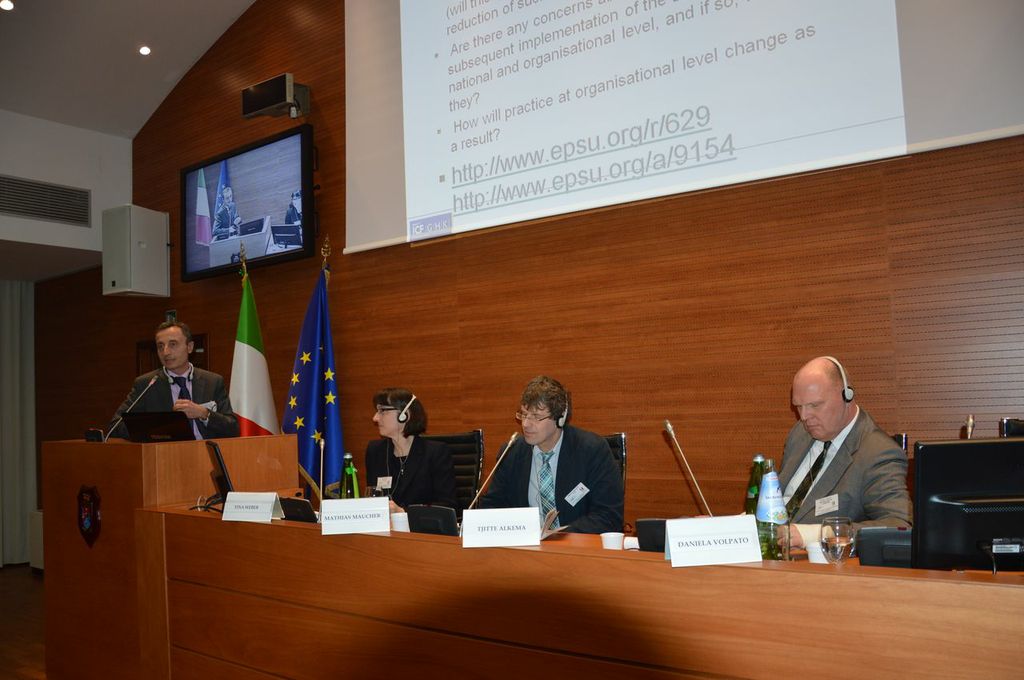
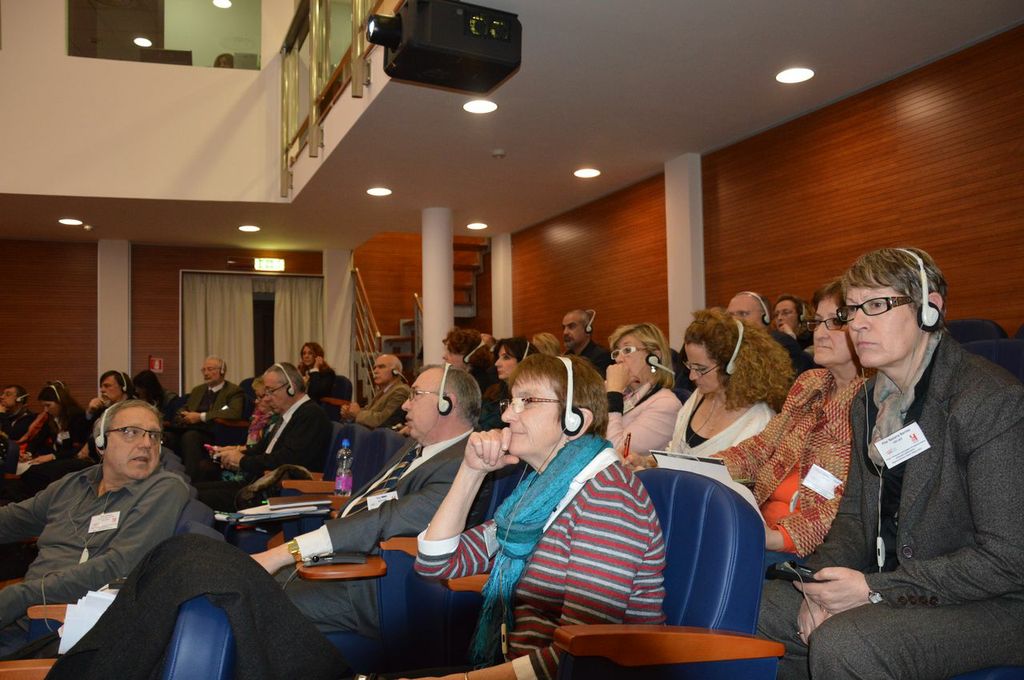
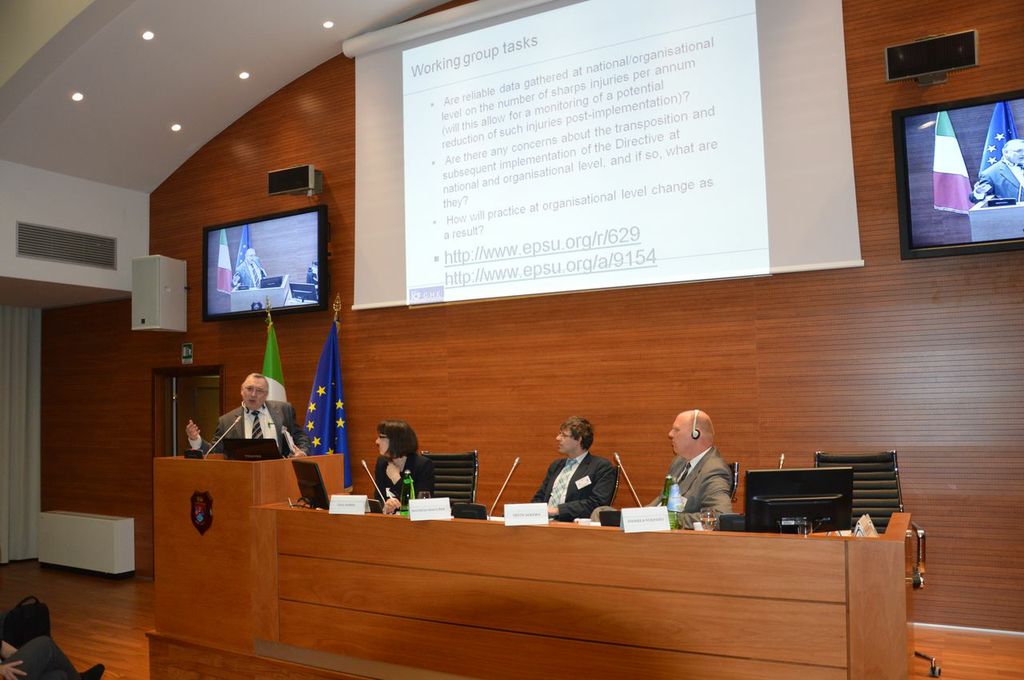
The third regional seminar with nearly 110 participants from 8 EU Member States (Austria, Bulgaria, the Czech Republic, Germany, Hungary, Poland, Romania, Slovakia) as well as from Belarus, Croatia, Kosovo, Moldova and Russia took place on 16 April 2013 in Vienna. It was hosted by the Vienna Hospital Association representing the Austrian hospital employers and organised by HOSPEEM and EPSU.
JPEG - 45.1 ko

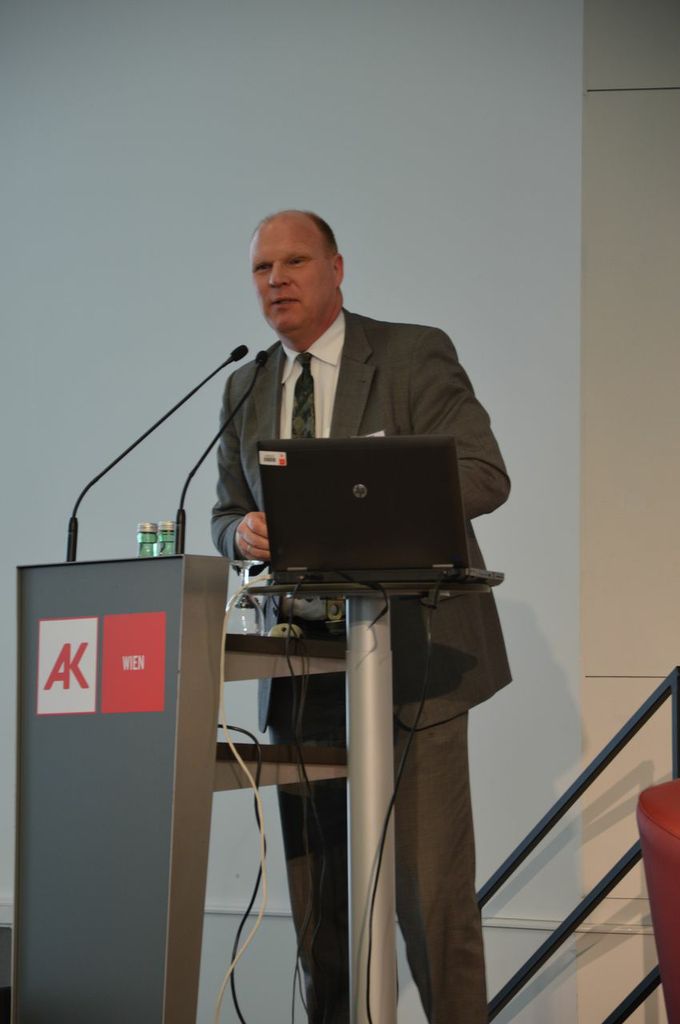
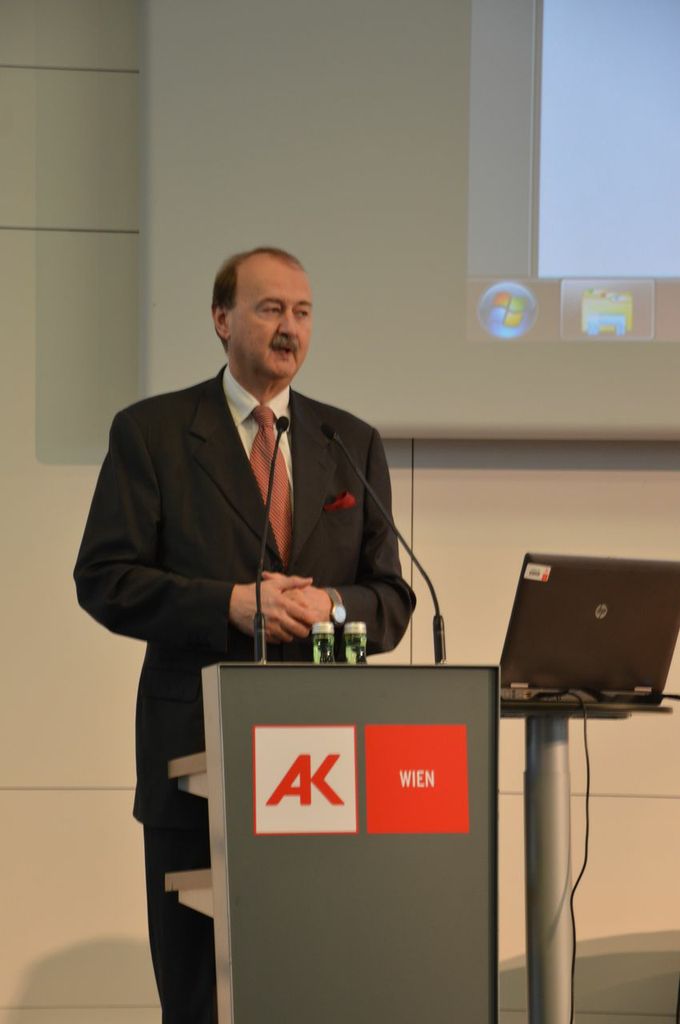
Wilhelm Marhold, Hospital Association Austria
JPEG - 6.2 ko

Christian Meidlinger, Secretary General, GdG-KMSfB, Austria
JPEG - 51 ko

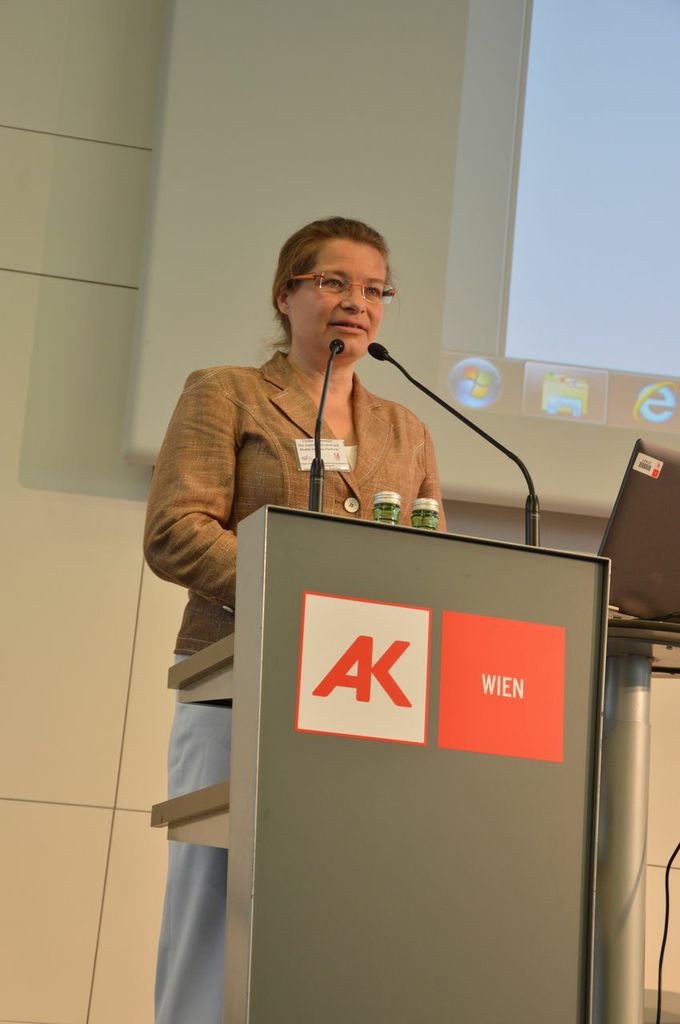
Ulrike Neuhauser, Hospital Association, Austria

DRAFT agenda

a) EN (as of 10 April 2013)
PDF - 218.3 ko DRAFT agenda (as of 10 April 2013) – EN

b) DE (as of 10 April 2013)
PDF - 192 ko DRAFT agenda (as of 10 April 2013) – DE

Please read the report of the regional seminar, drafted by ICF GHK (Dr. Tina Weber) – in EN, FR and DE.
JPEG - 76.4 ko

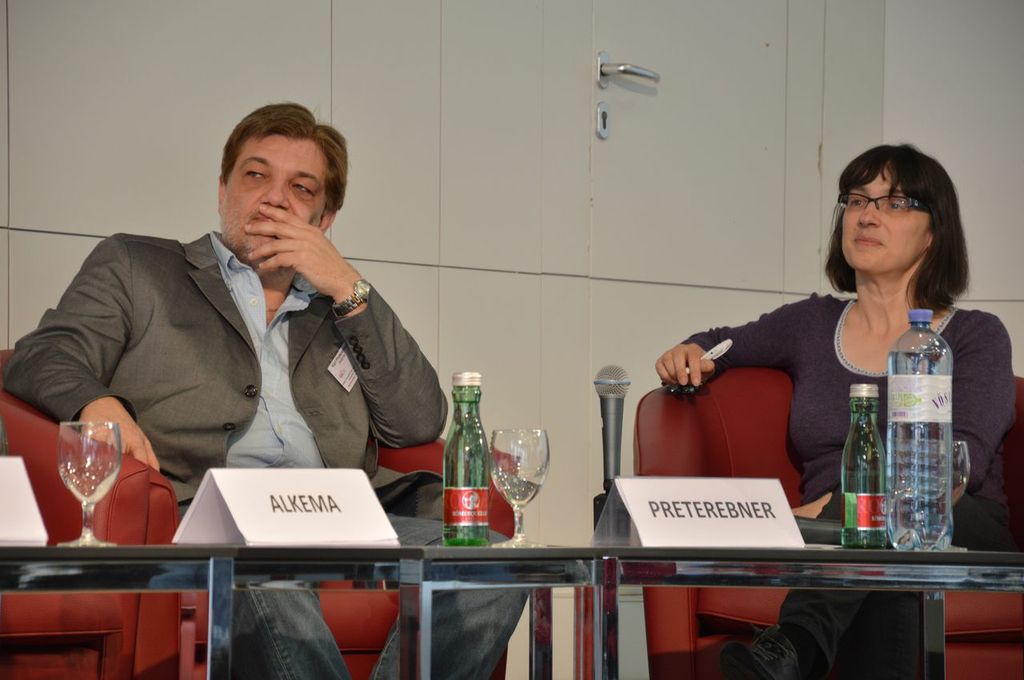
Karl Preterebner, Federal Secretary “GdG Fachgruppenvereinigung für Gesundheitsberufe”, GdG-KMSfB, Austria, and Tina Weber, ICF-GHK (project consultant)

a) in EN
PDF - 342.6 ko Report Regional Seminar 3 Vienna – EN

b) in FR
PDF - 415.3 ko Report Regional Seminar 3 Vienna – FR

c) in DE
PDF - 372.6 ko Report Regional Seminar 3 Vienna – DE
N.B. : It is planned to translate the report into RU and other languages, too, if there is sufficient money in the project budget left.

We have uploaded below the slide sets in the orginal languages used by the speakers for their presentations and translated into EN.

In addition to the contributions documented below, the following colleagues made a oral presentation : Brankic Grguric (Croatia), Lajqi Jahir (Kosovo) and Zdzislaw Bujas (Poland).
JPEG - 62.3 ko

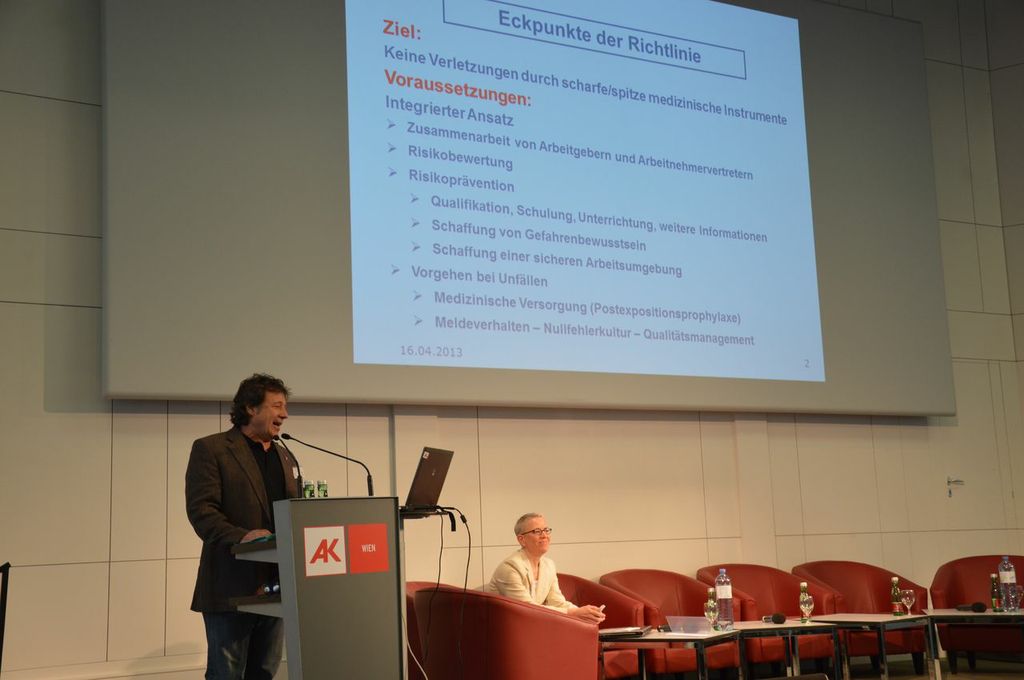
Brigitte Strahwald, Cognomedic GmbH, Germany and Herbert Beck, Ver.di, University Clinic Heidelberg, Germany
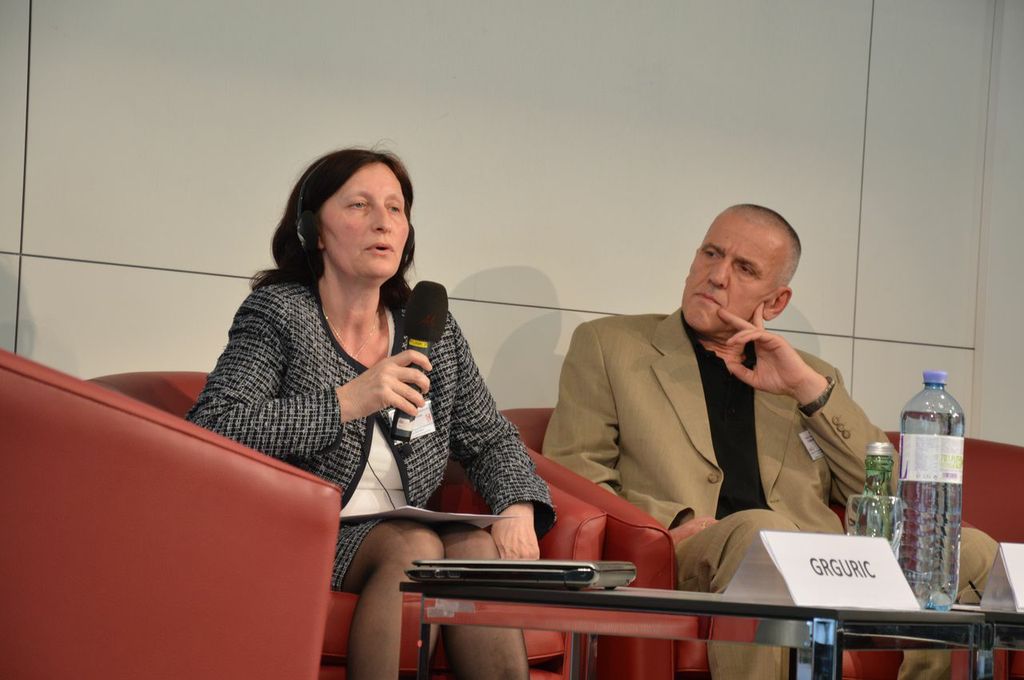
JPEG - 74.3 ko

Grguric Brankic, Croatian Trade Union of Nurses and Medical Technicians and Jahir Lajqi, Trade Union Health Federation of Kosovo
JPEG - 47.2 ko

Bujas Zdzislaw, Trade Unions Forum (FZZ), Poland

Presentations

Implementation of Directive 2010/32/EU on prevention of sharps injuries in the hospital and health care sector
Provisional results of EPSU-HOSPEEM Survey on the state of the art of the use and implementation of Directive 2010/32/EU and the role of the social partners in the transposition of EU-legislation into national rules (Dr. Tina Weber, ICF GHK)
PDF - 693.5 ko Presentation Weber

Austria
Nadelstichverordnung : Umsetzung und praktische Erfahrungen
Renate Waclawiczek, Head of the Department for Occupational Medicine, Salzburg Regional Hospitals (SALK), Salzburg
PDF - 582.3 ko Presentation Austria (Renate Waclawiczek) – EN

PDF - 545.6 ko Presentation Austria (Renate Waclawiczek) – DE

Belarus
National practice in the Republic of Belara in preventing the infectino of healthcare workers with blood-borne pathogens in the context of European Council Directive 2010/32/EU
Sviatlana Lukashyk, Trade Union of Professional Health Workers of Belarus, Minsk
PDF - 313.6 ko Presentation Belarus (Sviatlana Lukashyk) – EN

PDF - 498.9 ko Presentation Belarus (Sviatlana Lukashyk) – RU
JPEG - 48.8 ko

Sviatlana Lukashyk, Belarusian Trade Union of Healthcare Workers, Belarus

Bulgaria
Labour Law and relevant policy processes related to the implementation of Directive 2010/32/EU in Bulgaria
Slava Zlatanova, Federation of Trade Unions – Health Services, (FTU-HS/CITUB), Sofia
PDF - 826.9 ko Presentation Bulgaria (Slava Zlatanova) – EN

PDF - 1 Mo Presentation Bulgaria (Slava Zlatanova) – RU

Czech Republic
Praxe v České Republice
Ivana Štěpánková & Zbyněk Moravec, Trade Union of the Health Service and Social Care (OSZSP ČR), Prague
PDF - 980.5 ko Presentation Czech Republic (Ivana Štěpánková & Zbyněk Moravec) – EN

PDF - 1.5 Mo Presentation Czech Republic (Ivana Štěpánková & Zbyněk Moravec) – CZ
JPEG - 43.2 ko

Ivana Štěpánková, Trade Union of the Health Service and Social Care of the Czech Republic (OSZSP ČR), Czech Republic

Germany
Umsetzung in Deutschland / Das Modellproject “STOP-Nadelstich” : “Sicherheit durch Training, Organisation und Produktauswahl” / Die Rolle von ver.di bei der Implementierungder EU Richtlinie 2010/32/EU in Deutschland
Sabine Niemeyer, German Federal Ministry of Labour and Social Affairs (BMAS), Bonn / Brigitte Strahwald, cognomedic GmbH, Erlangen / Herbert Beck, ver.di, University Clinic Heidelberg, Heidelberg
PDF - 151.7 ko Presentation Germany (Part 1 : Sabine Niemeyer) – EN

PDF - 533.8 ko Presentation Germany (Part 3 : Herbert Beck) – EN

PDF - 168.3 ko Presentation Germany (Part 1 : Sabine Niemeyer) – DE

PDF - 2.5 Mo Presentation Germany (Part 2 : Brigitte Strahwald) – DE

PDF - 580.9 ko Presentation Germany (Part 3 : Herbert Beck) – DE
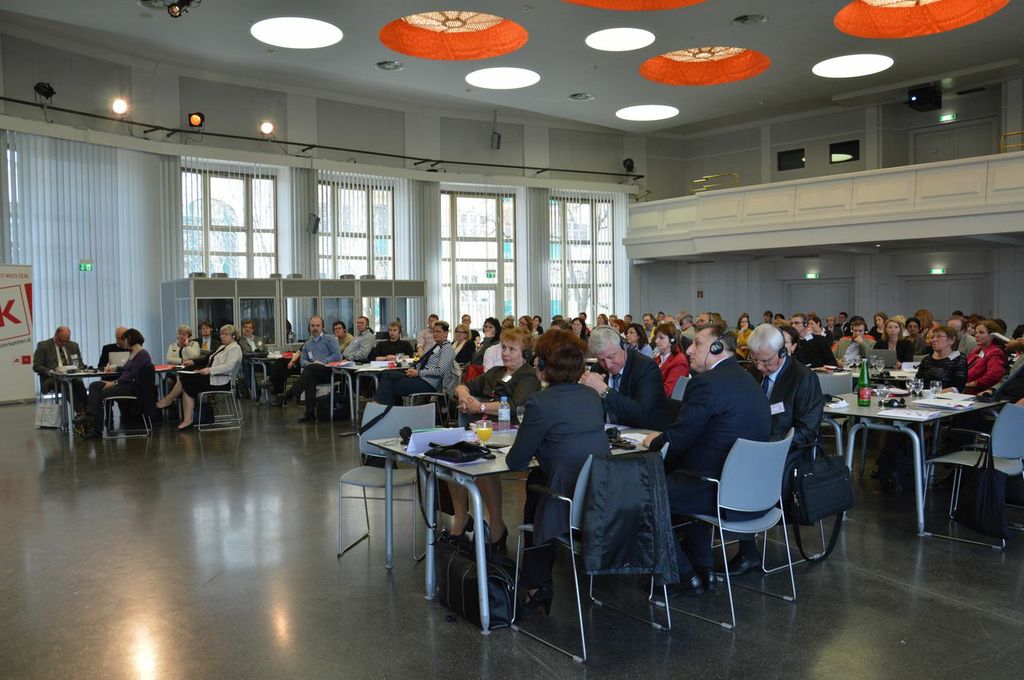
JPEG - 114.9 ko

Participants

JPEG - 49.7 ko

Alkema Tjitte, General Secretary, HOSPEEM

You’ll find below a the file a short presentation of HOSPEEM and EPSU including a summary of the activities and outcomes of the sectoral social dialogue committee in the hospital and health care sector in 2012.

PDF - 341.8 ko Presentation HOSPEEM & EPSU + Activities & Outcomes 2012 SSDC HS

 
This project has received funding from the European Commission
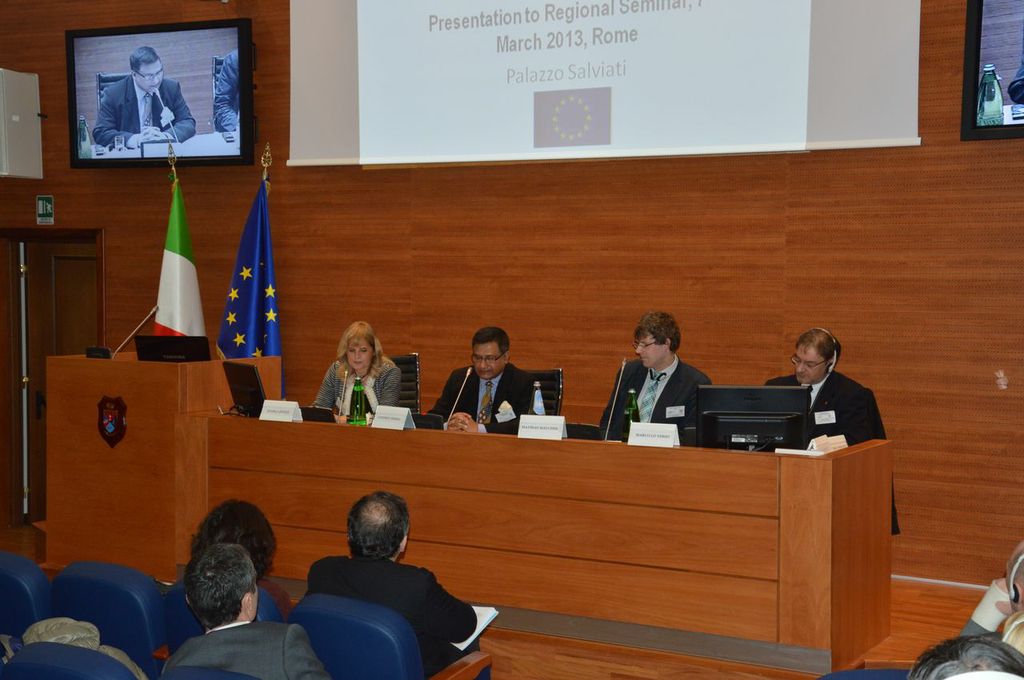
Report 2nd Regional Seminar Rome 7 March 2013

Brussels, 10 March 2013

Joint EPSU-HOSPEEM Project “Promotion and support of the implementation of Directive 2010/32/EU on the prevention of sharps injuries in the hospital and health care sector”

Regional Seminar 2 – Rome, 7 March 2013

JPEG - 86.4 ko

Elvira Gentile (ARAN, Director General Collective Bargaining), Godfrey Perera (HOSPEEM, Chief Executive), Mathias Maucher (EPSU, Policy Officer “Health and Social Services”), Marco Lo Verso (FP-CGIL, Responsible “Health Care”) [from left to right] during the opening plenary session

JPEG - 99.5 ko

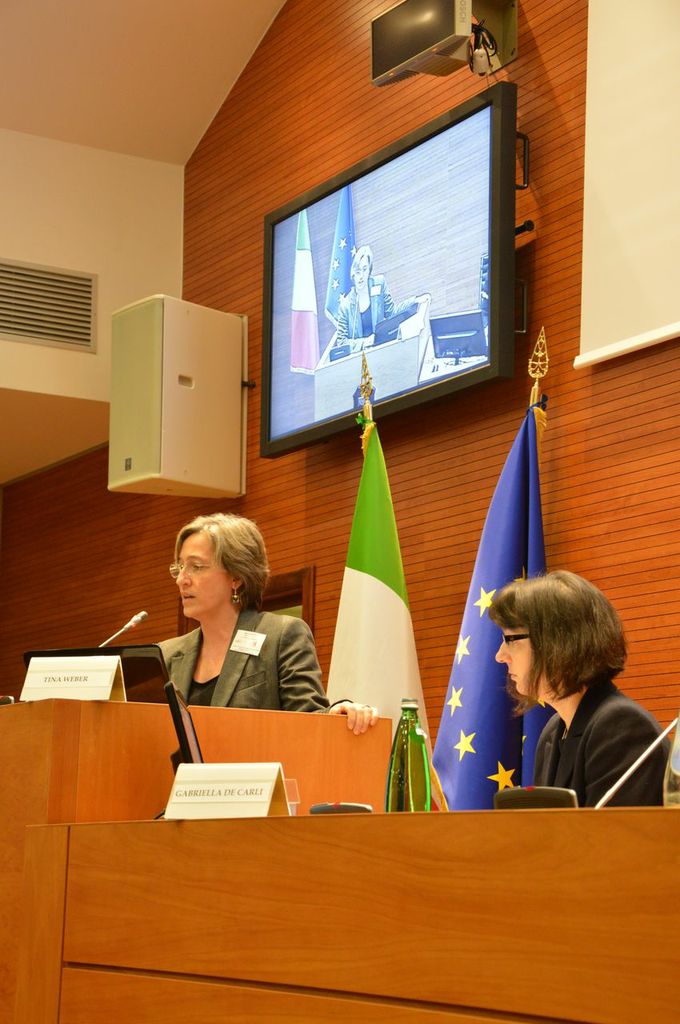
Gabriela De Carli (National Institute for Infectious Diseases L. Spallanzani, Rome), Tina Weber (ICF GHK, Project Consultant)

The second regional seminar with about 80 participants from 8 European countries (Belgium, Cyprus, France, Italy, Malta, Norway, Spain and the United Kingdom) invited to attend the event took place on 7 March 2013 in Rome. It was hosted by Italian Agency for Collective Bargaining, ARAN (Rappresentanza Negoziale delle Pubbliche Amministrazioni) representing the Italian hospital employers and organised by HOSPEEM and EPSU.

DRAFT agenda (as of 27 February 2013) – in EN only

PDF - 528.8 ko Draft Agenda – SHARPS – Rome

JPEG - 98.7 ko

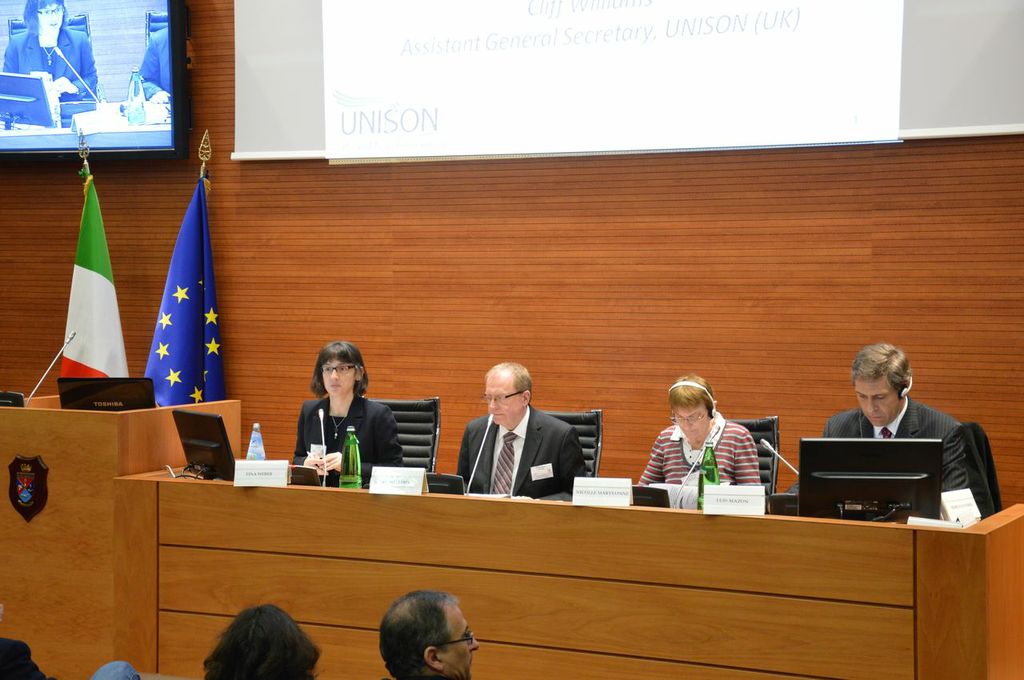
Tina Weber (ICF GHK, Project Consultant), Cliff Williams (UNISON), Maryvonne Nicolle (CFDT Santé-Sociaux, Secretary National Federation), Luis Mazón Cuadrado (University Hospital of Fuenlabrada, Madrid)

JPEG - 92.1 ko

Guy Crijns (CSC Services Publics), Tina Weber (ICF GHK, Project Consultant), Mathias Maucher (EPSU, Policy Officer “Health and Social Services”), Tjitte Alkema (HOSPEEM, Secretary General)

Read the report of the regional seminar, drafted by ICF GHK (Dr. Tina Weber) – in EN, FR and DE.

a) in EN
PDF - 338.4 ko Report Regional Seminar 2 Rome – EN

b) in FR
PDF - 342.9 ko Report Regional Seminar 2 Rome – FR

c) in DE
PDF - 358.2 ko Report Regional Seminar 2 Rome – DE
We have uploaded below the slide sets (in EN, except for France for which the slide set is in FR) to accompany the presentations given at the seminar.

JPEG - 87.5 ko

Tina Weber (ICF GHK, Project Consultant), Mathias Maucher (EPSU, Policy Officer “Health and Social Services”), Tjitte Alkema (HOSPEEM, Secretary General)

JPEG - 109.7 ko

Participants at the workshop

Presentations

Implementation of Directive 2010/32/EU on prevention of sharps injuries in the hospital and health care sector :
Provisional results of EPSU-HOSPEEM Survey on the state of the art of the use and implementation of Directive 2010/32/EU and the role of the social partners in the transposition of EU-legislation into national rules (Dr. Tina Weber, ICF GHK)
PDF - 685.9 ko Presentation Weber Rome – EN

France
Mise en oeuvre de la Directive 201/32/EU en France
Presentation M. Nicolle – FR
PDF - 1.3 Mo Presentation M. Nicolle – EN
Maryvonne Nicolle, CFDT Santé Sociaux, Paris

Italy
Needle and Sharps Injuries Prevention : Building the wall : Implementing the Directive 2010/32/EU in Italy
PDF - 3.6 Mo Presentation De Carli – EN
Prof. Gabriella De Carli, Studio Italiano Rischio Occupazionale da HIV (SIROH), National Institute for Infectious Diseases L. Spallanzani, Rome

Norway
Implementation of Directive 2010/32/EU in Norway
PDF - 479.2 ko Presentation Roald – EN
Marie Nora Roald, Norwegian Institute of Biomedical Science (NITO BFI), Oslo

Spain
Sharps Risk Assessment. Our experience. Why we use process management ?
PDF - 2 Mo Presentation Mazón Cuadrado – EN
Dr. Luis Mazón Cuadrado, Hospital Universitario de Fuenlabrada, Madrid

United Kingdom
Implementation of Directive 2010/32/EU-The Prevention of Sharps Injuries in the Hospital and Health Care Sector : Good Practice and Transposition in the UK
PDF - 746.6 ko Presentation Williams – EN
Cliff Williams, Assistant General Secretary, UNISON, London/Newcastle

You’ll find below a the file a short presentation of HOSPEEM and EPSUincluding a summary of the activities and outcomes of the sectoral social dialogue committee in the hospital and health care sector in 2012.
PDF - 341.8 ko Presentation HOSPEEM & EPSU + Activities & Outcomes 2012 SSDC HS

 
This project has received funding from the European Commission
Report 1st Regional Seminar Dublin 31 January 2013

Brussels, 5 February 2013

Joint EPSU-HOSPEEM Project “Promotion and support of the implementation of Directive 2010/32/EU on the prevention of sharps injuries in the hospital and health care sector”

Regional Seminar 1 – Dublin, 31 January 2013


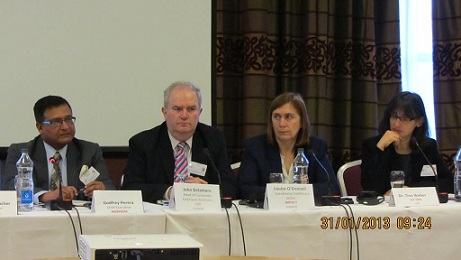
Godfrey Perera, Chief Executive, HOSPEEM ; John Delamere, Head of Corporate Employee Relations, HSE ; Louise O’Donnell, Coordinator Healthcare Sector, IMPACT ; Tina Weber, ICF GHK (from left to right) during the opening plenary session

The first regional seminar with about 90 participants from 10 European countries (Belgium, Denmark, Finland, Iceland, Ireland, Latvia, Lithuania, the Netherlands, Sweden and the United Kingdom) invited to attend the event took place on 31 January 2013 in Dublin. It was jointly hosted by the Health Service Executive (HSE) representing the Irish hospital employers and IMPACT for the trade union side and organised by HOSPEEM and EPSU.

FINAL agenda (as of 24 January 2013) – in EN only
PDF - 327.9 ko FINAL Agenda Seminar (as of 24 January 2013) – in EN only


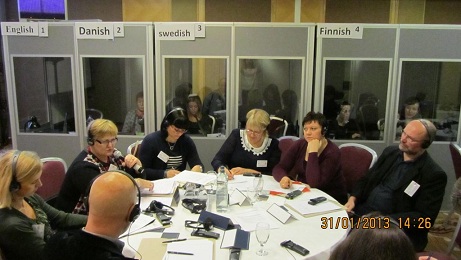
Impression from a working group with colleagues from Finland, Lithuania, The Netherlands and Sweden

An article has been written by the HOSPEEM Secretariat that you can read in the file below and soon on HOSPEEM’s homepage.

PDF - 231.1 ko Regional Seminar 1 Dublin Press Release HOSPEEM (05.02.13)

Read the report of the regional seminar, drafted by ICF GHK (Dr. Tina Weber) – in EN, FR and DE.
a) in EN
PDF - 336.7 ko Regional Seminar 1 Dublin Report ICF GHK (Tina Weber) – EN

b) in FR
PDF - 353.1 ko Regional Seminar 1 Dublin Report ICF GHK (Tina Weber) – FR

c) in DE
PDF - 361.4 ko Regional Seminar 1 Dublin Report ICF GHK (Tina Weber) – DE

We have uploaded below the slide sets (mostly in EN) to accompany the presentations given at the seminar.

Presentations

Provisional results of EPSU-HOSPEEM Survey on the state of the art of the use and implementation of Directive 2010/32/EU and the role of the social partners in the transposition of EU-legislation into national rules (Dr. Tina Weber, ICF GHK)
PDF - 641.4 ko Presentation Weber – EN

Finland
Irmeli Vuoriluoto, Union of Health and Social Care Professionals (Tehy), Helsinki
PDF - 363.3 ko Presentation Vuoriluoto – EN

Ireland
1) Esther Lynch, Irish Congress of Trade Unions (ICTU), Dublin
PDF - 949.1 ko Presentation Lynch – EN

2) Dr. Blánaid Hayes, Beaumont Hospital, Dublin
PDF - 905.7 ko Presentation Hayes – EN

Lithuania
Živilė Mikalauskienė & Genovaitė Milošienė, Lithuanian Trade Union of Health Care Employees (LSADPS), Vilnius
PDF - 302.2 ko Presentation Mikalauskiene & Milosiene – LT + EN

The Netherlands
Dr. Paul Van Wijk, Vrije Universiteit Medical Center, Amsterdam
a) in EN
PDF - 72.4 ko Presentation van Wijk – EN

b) in NL
PDF - 123.7 ko Presentation van Wijk – NL

Sweden
Prof. Dr. Ann-Beth Antonsson, Swedish Environmental Research Institute, Stockholm
PDF - 435 ko Presentation Antonsson – EN

Further reading :
Study on the prevention from injuries with sharps injuries (in SV)
a) Summary in EN
PDF - 103.1 ko Summary Information IVN Study Sharps Injuries – EN

b) Detailed information in SV
Stick- och skärskador inom hälso- och sjukvården – Förebyggande insatser för skador och smitta pga. vassa instrument

United Kingdom
Kim Sunley, Royal College of Nursing (RCN) / Ann Stansfield (Peterborough City Hospital) / Robert Baughan (UNISON), London / Peterborough
PDF - 1.3 Mo Presentation Sunley & Stansfield & Baughan – EN


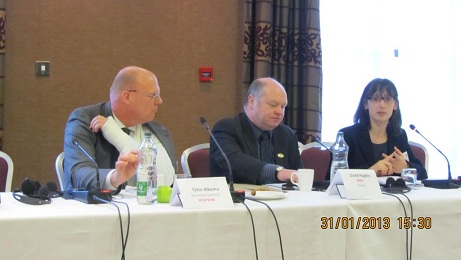
Tjitte Alkema, Secretary General, HOSPEEM ; David Hughes, Deputy General Secretary, INMO ; Tina Weber, ICF GHK (from left to right) during the closing panel

You’ll find below a the file a short presentation of HOSPEEM and EPSUincluding a summary of the activities and outcomes of the sectoral social dialogue committee in the hospital and health care sector in 2012.

PDF - 341.8 ko Presentation HOSPEEM & EPSU + Activities & Outcomes 2012 SSDC HS

 
This project has received funding from the European Commission
Regional Seminar 1 Dublin Report ICF GHK (Tina Weber) – FR

Regional Seminar 1 Dublin Report ICF GHK (Tina Weber) – DE

Regional Seminar 1 Dublin Report ICF GHK (Tina Weber) – UK

Healthcare employers & employees share their experience on implementation of the Sharps directive

The European Hospital and Healthcare Employers’ Association (HOSPEEM) and the European Federation of Public Service Unions (EPSU) organised the first regional seminar to promote and support the implementation of Directive 2010/32/EU on the prevention of sharps injuries in the hospital and health care sector. This project is funded by the European Commission.

The seminar took place on 31 January in Dublin and was hosted by the Health Service Executive (HSE) representing the Irish health employers and IMPACT, the Irish Trade Union. The seminar was attended by 90 representatives of employers, employees, national authorities and other stakeholders from 10 countries.

During the seminar a presentation by ICF GHK was made to outline the first result of the survey on the progress so far in the implementation of the directive.

There were also presentations about the transposition of the directive in Finland, Ireland, the Netherlands, Sweden and the United Kingdom from practitioners and academia representatives. The speakers underlined the importance of continued work on the issue, investment in protective safety equipment, better training and reporting, and the role social partners should play at local, national and European level to prevent sharps injuries.

The presentations were followed by working groups who discussed how best to implement the directive. The groups comprised of employers and employees’ representatives from Belgium, Denmark, Finland, Iceland, Ireland, Latvia, Lithuania, the Netherlands, Sweden and the United Kingdom.

The findings gathered at the seminar will be published in the event report in mid-February on the webpage devoted to the project.

Further seminars in the framework of the project will take place on 7 March in Rome and on 16 April in Vienna. The final conference will be held on 20 June in Barcelona.
—–
For further information, please contact:

HOSPEEM:
Elisa Benedetti +32 2 229 21 58
Ewelina Pysklo +32 2 229 21 57
E-mail: hospeem@hospeem.eu

EPSU:
Mathias Maucher +32 2 250 10 93
E-mail: mmaucher@epsu.org

HOSPEEM is the European Hospital and Healthcare Employers Association. It regroups at European level national , regional and local employers’ associations operating in the hospital and health care sector and delivering services of general interest, in order to co-ordinate their views and actions with regard to a sector and a market in constant evolution. HOSPEEM is an individual member of CEEP.

EPSU is the European Federation of Public Service Unions and the second largest federation of the ETUC, with 8 million public service workers from over 200 trade unions in 45 countries. They organise workers in the energy, water and waste sectors, health and social services and local and national administration. In health and social services EPSU members affiliate about 3.5 million workers.

This project is supported with funds from the European Commission

Negotiation, consultation and autonomy of EU Social Partners – 20 years of the Social Partners' Agreement

The European Commission held a major conference on Social Dialogue in Warsaw on 24-25 November 2011 to commemorate 20 years of the social partners’ agreement.

The aim of this conference was to recall the process from the adoption of the European Social Partners’ Agreement of 1991 to the integration of the Maastricht Social Protocol into the Amsterdam Treaty (currently Arts 154 and 155) and to place it into the current context, assessing what changes it brought about both in EU primary and secondary law, how the consultation and negotiation process between EU social partners evolved, what concrete results it has led to, and an evaluation of the current state of social dialogue.

HOSPEEM and EPSU as representatives of the sectoral social dialogue committee participated in the session on “Implementation of agreements by Directive – Social Partners’ experience,” to speak about sharps. The session was then followed by a DVD on Sharps injuries produced by the European Commission.

European Commission video on Sharps injuries

  • To download the video click here

HOSPEEM Presentation – Agreement on Sharp Injuries – Godfrey PERERA

EPSU Presentation – EC 20 years ESD Directive – Mathias MAUCHER

Conference Programme


For more information contact

HOSPEEM: Elisa Benedetti hospeem@hospeem.eu
EPSU: Mathias Maucher mmaucher@epsu.org


Implementation of multi-sectoral guidance on third party violence in the workplace

Introduction

This document provides a summary report of the discussions at the three regional workshops held as part of the project on the Implementation of the multi-sectoral guidance on third party violence in the workplace, in London on 9th May, in Rome on 14th June and in and in in Prague on 6 September 2011.

Background of the project

On 16 July 2010, EPSU, UNIEuropa, ETUCE, HOSPEEM, CEMR, EFEE, EUROCOMMERCE, COESS, representing the social partners of the commerce, private security, local governments, education and hospital sectors have reached an agreement on multi-sectoral guidelines aimed to tackle third-party violence and harassment at work.

These Guidelines have been developed following two major conferences organised with the support of the Commission in March 2008 and October 2009 at which the outcomes of a research on third-party violence were presented along with case studies and joint conclusions . Therefore, these Guidelines build on these initiatives and complement the cross-sectoral Framework Agreement on Harassment and Violence at Work of 26 April 2007.

The organisation which were party to the multi-sectoral guidelines subsequently decided to disseminate the guidelines and obtained funding from the European Commission for a project to assist with the translation of the guidance into all EU languages, for three regional seminars and a final conference to be held with the goal making the guidelines more widely known, sharing good practices in tackling third party violence in the workplace and encouraging national member organisations to think about how the guidelines will be implemented in each Member State. GHK Consulting was commissioned to assist in the moderation of these events and in the preparation of reports.
The social partners from Central Government Administration (Trade Union’s National and European Delegation and European Public Administration Employers) added their signatures to the Multisectoral Guidelines on 17 December 2018, at the Liaison Forum in Brussels. Find the press release here

FULL TEXT: Summary report regional workshops | Multisectoral Guidelines Signed (guidelines also available in FR/DE/BG/CZ/DK/EE/EL/ES/FI/HU/IT/LT/NL/PL/PT/RO/RU/SK/SL)

European Social Partners in the Hospital Sector met Health Commissioner John Dalli

Godfrey Perera, Secretary General of HOSPEEM and Carola Fischbach-Pyttel, General Secretary of EPSU met yesterday Commissioner John Dalli to discuss cooperation between DG SANCO and the recognised European Social Partners in the hospital and healthcare sector.

The meeting built the foundation for co-operation with the social partners in the hospital and health care sector. Commissioner Dalli stressed the importance of involving the social partners in the European health policy debate, underlining that the social partners can make a crucial contribution to discussions based on their practical expertise.

Both HOSPEEM and EPSU underlined their keen interest of becoming involved in planning, implementation and follow-up to the Joint Action on EU Health Workforce Planning, as a first common priority. In this context, the social partner representatives referred to the Framework of Action “Recruitment and Retention”, signed on 17 December 2010, constituting the key reference document to develop concrete action to tackle staff shortages and qualification needs now and in the future. In the meeting with Commissioner Dalli, EPSU and HOSPEEM also presented the Code of Conduct on Ethical Cross-Border Recruitment and Retention in the Hospital Sector, adopted on 7 April 2008, and explored how this social-partner-based document could be better promoted at European level, in parallel to the complementary WHO Global Code of Practice on the International Recruitment of Health Personnel, adopted in May 2010.

“We need a balanced approach to mobility of health care staff” said Godfrey Perera, HOSPEEM Secretary General. “We cannot sustain a situation where the more affluent countries in the EU benefit to the detriment of the exporting countries, such as Latvia or Romania.” Carola Fischbach-Pyttel, General Secretary of EPSU, concurred in saying: ”Investing in health care is investing in the future of a country. The health status of a nation determines its economic performance. Health care staff are extremely motivated to do a good job. This motivation should be built upon to enhance the employment of both younger and older staff now and in the future.“

Commissioner Dalli concluded the meeting by stating that he looked forward to working closely with the Social Partners in the future.

***********************************************************************************************************

The Sectoral Social Dialogue Committee for the Hospital Sector was set up in 2006. EPSU and HOSPEEM have agreed on a number of joint texts and are involved in projects to promote a properly functioning social dialogue across Europe. The most prominent example of successful negotiations is the Framework Agreement on the prevention of sharps’ injuries in the hospital and healthcare sector concluded by HOSPEEM and EPSU on 17 July 2009, later incorporated in Directive 2010/32/EU of 11 May 2010, currently transposed into national legislation. For EPSU and HOSPEEM European integration is very much linked to universal access to health care for all, based on solidarity and equity.

HOSPEEM is the European Hospital and Healthcare Employers Association. It regroups at European level national , regional and local employers’ associations operating in the hospital and health care sector and delivering services of general interest, in order to co-ordinate their views and actions with regard to a sector and a market in constant evolution. HOSPEEM is an individual member of CEEP.

EPSU is the European Federation of Public Service Unions. It is the largest federation of the ETUC with 8 million public service workers from over 200 trade unions are members. They organise workers in the energy, water and waste sectors, health and social services and local and national administration

Social Partners' Joint Work Programme 2011-2013

European Sectoral Social Dialogue in the Hospital Sector

EPSU-HOSPEEM Joint Work Programme 2011-2013

In the Sectoral Social Dialogue Committee for the Hospital Sector on both 18 December 2010 (Plenary Meeting) and 31 January 2011 (Working Group) EPSU and HOSPEEM reaffirmed their commitment to continue their work and partnership approach as developed in the context of their first two joint work programmes 2006-2007 and 2008-2010.

The main general tasks for HOSPEEM and EPSU will remain in the coming three years to strengthen the social dialogue in the hospital sector at European, national, regional and local level and to take up our responsibilities as the recognised social partner European organisations for employers and workers in the hospital sector.

The third joint work programme covers the period from 2011 to 2013. There is ample evidence from the second period 2008-2010 that a three years work programme is instrumental for the Sectoral Social Dialogue Committee to discuss, plan, implement, complete and follow up on agreed priorities. Halfway through this period, in autumn 2012, the Committee will take stock of the work accomplished by then and assess its outcomes in order to – where appropriate – adapt planned activities and/or update priorities. The EPSU-HOSPEEM Work Programme 2011-2013 sketches out planned activities and projects under the European Sectoral Social Dialogue in the Hospital Sector.

HOSPEEM-EPSU-Work-Prog-2011-2013-Overview | HOSPEEM-EPSU-Work-Prog 2011-2013-Annex-1 | HOSPEEM-EPSU-Work-Prog 2011-2013-Annex-1

Social Partners signed a Framework of Actions on Recruitment and Retention on 17 December 2010

Press Communication

This framework constitutes an important basis for social partners at European and national levels to develop concrete action to tackle staff shortages and qualification needs now and in the future.

Our framework shows that social partners can produce practical results that will improve health care delivery in the interest of patients, health care providers and workers. To have the right workforce planning mechanisms in place is key from an employers’ perspective in the health and hospital sector. Innovative workplace designs can be supported by ICT-instruments, actively involving the healthcare workforce and their representatives.” says Godfrey Perera, HOSPEEM Secretary General.

The chief executive of HOSPEEM also warned against short-sighted cuts in health expenditure in the context of the current crisis. “It not only takes a long time to train qualified staff, but also requires the necessary resources. We therefore should deal carefully with these resources.”

Our healthcare systems cannot function properly without a well-trained and motivated workforce. Their contribution must be recognised also in their terms and conditions of work,” stresses Carola Fischbach-Pyttel, EPSU General Secretary. She underlines the added value of facilitating full-time work and integrating fix-term and agency workers into the regular workforce. “This objective we need to pursue over time through concrete steps. We see it as our task to make the healthcare and hospital sector an attractive workplace for women and men. We therefore need measures for improved work-life balance in the sector.”

The social partners have agreed to develop joint model initiatives, supported also by the collection of case studies and good practice.

They also committed themselves to jointly monitor relevant European legislation and policies and to embark on follow-up action on the implementation of the Code of Conduct on Ethical Cross-border Recruitment and Retention in the Hospital Sector.

Download Press Communication

Meeting with Minister for Health Didzis Gavars

Press Release

Meeting of the Minister for Health Didzis Gavars with Godfrey Perera, Secretary General of European hospital and healthcare employers’ association

(Riga) – “The involvement of health care sector NGO’s in the decision making of high importance issues gives an opportunity for eventually best problem solutions. Therefore the proposals and warnings from professionals should be taken into account in the development process of next year’s budget. In my opinion, the health care budget should not be subject for further decrease and taking into account all the financial possibilities in future the health care budget should make 4% of the GDP in order to stabilize the health care sector”, said the Minister for Health of the Republic of Latvia Didzis Gavars in the meeting with Godfrey Perera, Secretary General of the European hospital and healthcare employers’ association and Jevgenijs Kalejs, the Chair of Latvian Hospital Association.

During the meeting there were discussions on the situation in the field of health care in Latvia and as well as in the European Union. The Minister for Health of the Republic of Latvia emphasized that there should be further actions taken in order to increase the efficiency of the health care sector by developing out-patient care. As well as during the meeting there was stressed the need for continuing the work together with social partners on the development of National Human resources program, that would in a long term grant access to health care services from highly qualified health care professionals.

During the meeting the implementation of the not yet adopted proposal for a Directive on the application of patients’ rights in cross-border healthcare was pointed out as one of the main challenges on the European Union level.